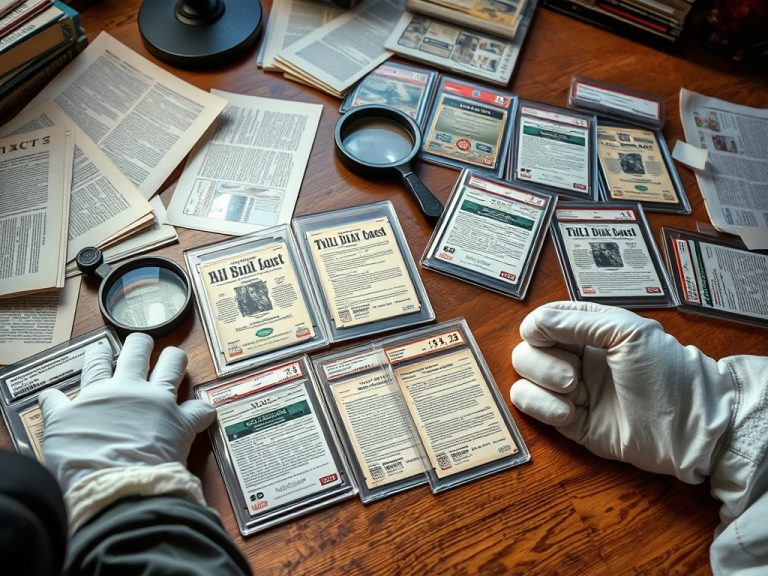
Art conservators do not simply make old objects look new. They examine materials, slow damage, stabilize fragile areas, document decisions, and intervene only as much as the object’s condition, history, ethics, and owner’s goals justify.
Conservation Choice Map
- Conservation prioritizes stability, evidence, reversibility where possible, and documentation.
- Restoration is only one possible treatment, not the whole profession.
- Age, wear, and previous repairs can be historically meaningful.
- A conservator may leave damage visible if removing it would erase evidence or create risk.
- Preventive care often matters more than dramatic treatment.
Conservation Is Not a Makeover
The public often sees conservation through before-and-after images: dark varnish removed, torn canvas repaired, broken ceramics reassembled, or faded frames cleaned. Those images can be satisfying, but they can distort the job. A conservator’s first responsibility is not cosmetic improvement. It is the long-term care of cultural material.
The American Institute for Conservation emphasizes high standards in examination, documentation, treatment, research, and education. That professional framing explains why conservators may proceed slowly. They are not just fixing a surface; they are making decisions about evidence, materials, meaning, and future risk.
For a painting, that may involve identifying canvas type, ground layers, pigments, varnish, previous overpaint, environmental damage, and structural weakness. For a sculpture, it may involve metal corrosion, stone loss, joint stress, patina, mounting history, or outdoor exposure. For a photograph, the support, emulsion, dyes, and storage conditions all matter. The object sets the treatment path.
What Restorers Commonly Fix
Conservators may mend tears, consolidate flaking paint, reduce discolored varnish, reattach loose parts, clean surface dirt, stabilize cracks, repair supports, address insect damage, or improve storage. They may also design mounts, recommend climate controls, build travel crates, or advise on safe lighting. Many of the most important fixes are invisible to a casual viewer.
The Getty Conservation Institute supports research, education, field projects, and publications that show how broad conservation really is. The field includes fine art, architecture, archaeological materials, modern materials, decorative objects, and collections care.
A beginner-friendly way to think about treatment is this: conservators fix what threatens survival, legibility, or safe use. They are more cautious about changing what has become part of the object’s story.
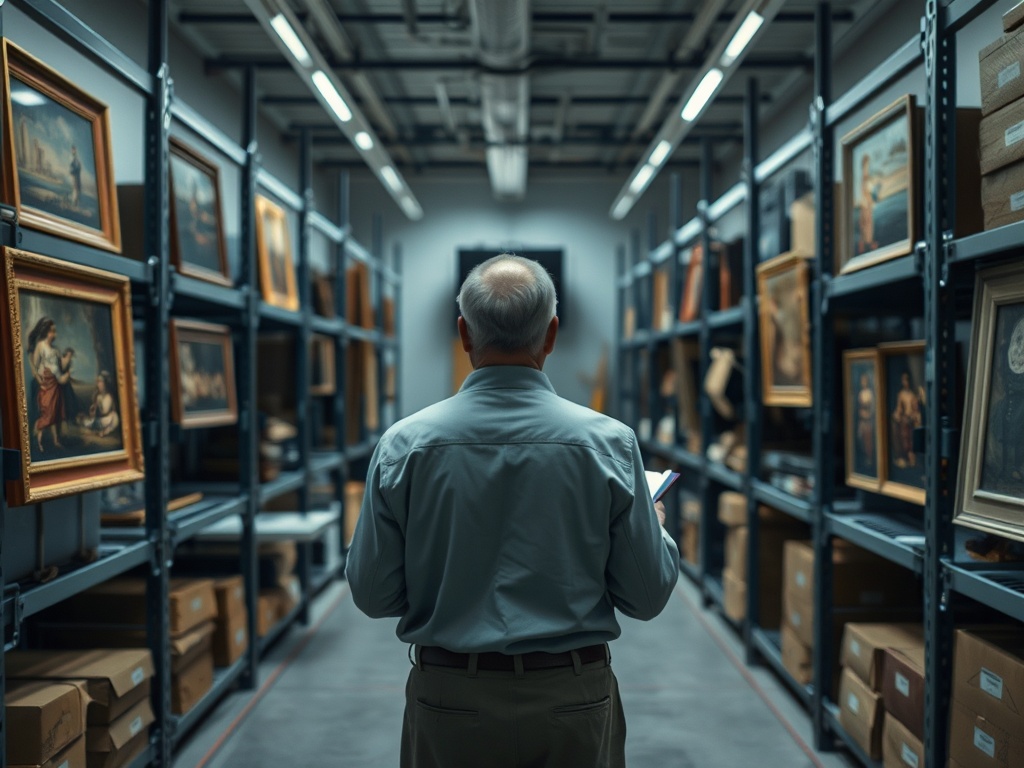
What They May Leave Alone
| Condition | Why It Might Stay | When It Might Be Treated |
|---|---|---|
| Stable age cracks | They can reflect natural material aging | If flaking or structural movement begins |
| Old patina | It may be part of the object’s history | If corrosion threatens the surface |
| Minor losses | Filling them may falsify the object | If the loss distracts from reading the work |
| Previous repair | It can reveal ownership or display history | If it is damaging the original material |
| Fading | Lost color may not be recoverable | Light exposure can be reduced going forward |
Leaving something alone can be an active decision. For example, aggressive cleaning may remove original glaze, artist-applied surface effects, or historically significant varnish. Filling every loss may make an object look cleaner but less truthful. Repainting too broadly can blur the boundary between original and modern intervention.
This is similar to the discipline of thoughtful arts criticism: the goal is not to impose a preferred story, but to pay attention to evidence and context.
The Ethics of Reversibility and Documentation
Conservators often prefer materials and techniques that can be reversed or safely retreated later, though complete reversibility is not always possible. The principle matters because future conservators may have better tools, better research, or different information about the artist’s materials. A responsible treatment should not trap the object in one present-day assumption.
Documentation is equally important. A conservation report may include photographs before, during, and after treatment; material analysis; condition diagrams; treatment steps; products used; and recommendations for future care. These records are part of the object’s life. They help museums, collectors, insurers, researchers, and future conservators understand what changed and why.
Conservation for Contemporary and Digital-Age Art
Modern and contemporary objects can be harder than old master paintings because they may use plastics, industrial paints, electronics, adhesives, food materials, light, sound, video, or performance instructions. The artist may still be alive, but that does not automatically answer every conservation question. Materials can fail in unexpected ways, and the work’s identity may depend on change, replacement, or re-creation.
A neon work may need a replacement tube. A video installation may need file migration. A conceptual artwork may depend more on instructions than on a single physical object. Conservators collaborate with artists, estates, curators, technicians, and owners to decide what must remain constant and what can change.
The rise of collecting culture also affects conservation decisions. Buyers who care about condition should understand that authenticity, grading, and repair history interact. That connection is explored further in collectibles condition and authentication.
When Owners Should Call a Conservator
Call a conservator before cleaning, taping, gluing, repainting, flattening, washing, framing, or storing a valuable object in a garage, attic, or damp room. Well-intentioned home repairs can cause permanent damage. Household cleaners, pressure-sensitive tape, heat, direct sunlight, and poor framing materials are common sources of avoidable harm.
Owners should also ask for a condition assessment before buying a significant piece, lending to an exhibition, shipping long distance, or making an insurance claim. A conservator can help distinguish stable wear from active damage.
A Care-First Way to Look at Old Objects
The next time you see a restored artwork, avoid asking only whether it looks “like new.” Better questions are: What was unstable? What evidence was preserved? What changed? What was documented? What will slow future damage?
Art conservation is a practice of restraint as much as repair. The best treatment may be a precise fix, a safer storage plan, or the decision to leave a mark alone because the mark belongs to the object’s history.
Why “Cleaning” Can Be Risky
Cleaning sounds harmless, but it is one of the easiest ways to damage an object. Dirt, varnish, corrosion, soot, adhesive residue, and accretions are not all the same problem, and the wrong solvent or pressure can remove original material. A conservator tests carefully because the safest approach depends on the object’s chemistry and history. Even water can swell paper, stain textiles, or move soluble media. This is why owners should resist quick fixes promoted online. A small untreated mark is often safer than an irreversible cleaning attempt that changes the object forever.