Grading, authentication, and condition affect collectible value because they reduce uncertainty. A buyer pays more confidently when an item is genuine, its condition is described by a trusted standard, and its flaws are visible or documented; however, grading does not make every item valuable, and a high grade does not guarantee future demand.
Value Factors at a Glance
- Authentication answers: is the item real?
- Grading answers: what condition is it in under a defined scale?
- Provenance answers: where did it come from and how was it handled?
- Rarity matters only when enough buyers care.
- Encapsulation can protect and standardize, but it cannot create cultural importance by itself.
What Does Authentication Do?
Authentication is the process of evaluating whether a collectible is genuine. For cards, comics, autographs, memorabilia, posters, props, toys, or limited merchandise, that might involve printing details, paper, ink, signatures, manufacturing marks, edition history, chain of custody, or comparison with known originals.
Authentication is especially valuable when fakes are common, the item is expensive, or the buyer cannot inspect it in person. Third-party companies such as PSA and CGC provide authentication and grading services in categories such as cards, comics, autographs, and pop-culture collectibles. Their opinions can support market confidence, but buyers should still understand what category is being certified.
An authenticated item can still be in poor condition. A genuine concert poster with water damage is real, but its market value may differ greatly from a clean example. Authenticity is the foundation; condition is the next layer.
What Does Grading Actually Measure?
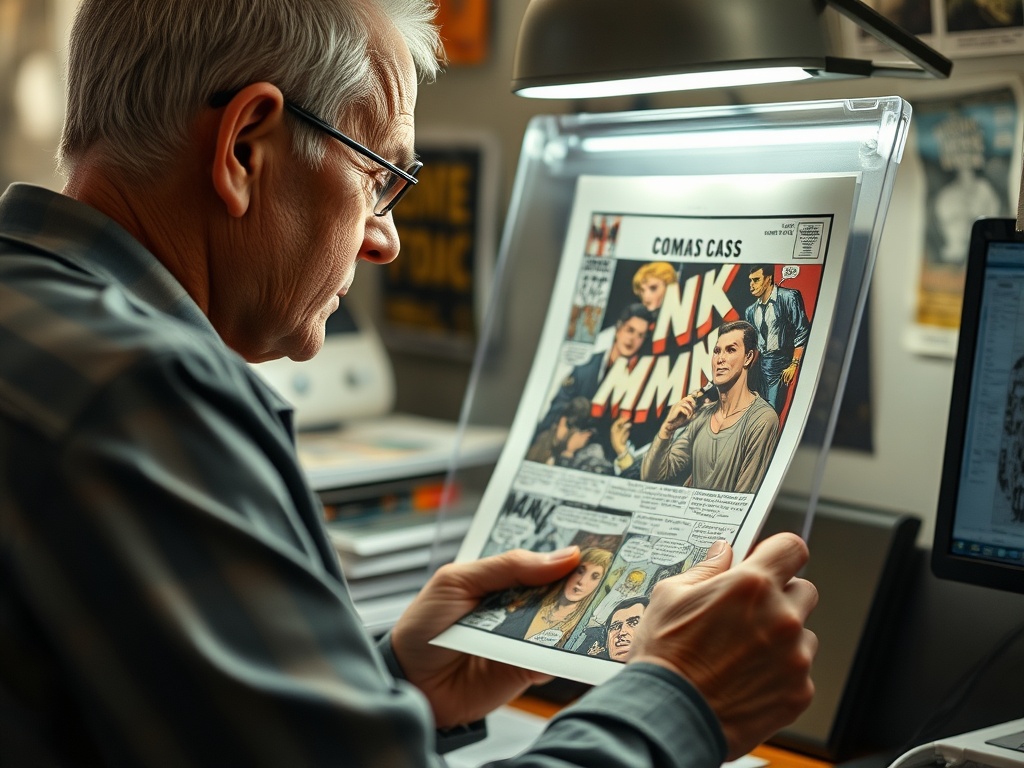
Grading measures condition against a scale. Depending on the category, graders may evaluate corners, edges, centering, surface wear, gloss, color, spine stress, tears, restoration, stains, creases, fading, writing, trimming, or completeness. A grade is a standardized opinion, not a magic property of the object.
This standardization helps buyers compare items across listings. It also reduces the argument over vague words such as “near mint” or “excellent.” Without a shared scale, sellers may describe condition optimistically and buyers may discount the price because of uncertainty.
How Condition Changes Value
| Condition Issue | Why Buyers Care | Category Examples |
|---|---|---|
| Surface damage | It affects visual appeal and preservation | Cards, comics, posters, photographs |
| Creases or tears | They can be difficult or impossible to reverse | Paper goods, tickets, sleeves |
| Fading | It suggests light exposure and lost color | Posters, autographs, packaging |
| Missing parts | Completeness affects collectibility | Toys, records, game boxes |
| Restoration | Repairs may help appearance but alter originality | Comics, art, memorabilia |
A small difference can matter most at the top of a market. The gap between a very high grade and a nearly high grade may be large if collectors compete for the best-known examples. In lower-value categories, grading fees may exceed the financial benefit. That is why beginners should not grade everything automatically.
For objects closer to fine art, repair and condition have a different ethical dimension. The relationship between original material, restoration, and long-term care is explored in art conservation choices.
Does Encapsulation Add Value?
Encapsulation, often called slabbing, seals the item in a protective holder with a label. It can protect against handling, make the grade easy to display, and reassure online buyers. It can also make storage more consistent.
But encapsulation does not guarantee future profit. A slabbed item with weak demand may stay weak. A high population count can limit scarcity. A collectible tied to a short hype cycle may fall even if the grade is strong. The holder helps the market understand the object; it does not create the market by itself.
How Much Does Rarity Matter?
Rarity matters when paired with desire. A rare item that few people want may remain inexpensive. A common item linked to a beloved performer, franchise, athlete, artist, or cultural moment may hold stronger demand than a technically rarer object. Scarcity is only one side of value; attention is the other.
Collectors should separate manufactured scarcity from true scarcity. Limited drops, numbered editions, convention exclusives, and short-run merchandise can be meaningful, but they can also be marketing tools. Ask how many were made, how many survive in high condition, and how durable the fan base or cultural interest appears to be.
Entertainment collecting often overlaps with media access and fandom cycles. A show disappearing from a platform can revive interest in physical media or memorabilia, which connects this topic to streaming-rights changes.
What Beginners Should Check Before Buying
Check the seller’s reputation, return policy, photos, authentication status, grade details, population data if available, recent comparable sales, and category-specific red flags. Avoid buying only from a headline grade. Look at the actual item. A grade can hide preferences: one buyer may tolerate centering problems but hate surface scratches; another may feel the opposite.
For signed items, ask who authenticated the signature and what exactly is covered. For restored items, ask what was restored and whether the restoration is disclosed on the label or paperwork. For sealed items, understand that sealed condition and contents verification can be different questions.
When Grading Is Worth the Cost
Grading may be worth it when the item is valuable enough, the market recognizes the grading company, condition is likely high, authenticity is uncertain, or the buyer pool prefers certified examples. It may not be worth it for sentimental items, low-value merchandise, or categories where collectors prefer raw inspection.
A simple rule: estimate the item’s value raw, likely value graded, grading and shipping cost, insurance risk, and time delay. If the upside is unclear, wait. Collecting should not become a paperwork race.
Buy the Object, Not Just the Label
The safest collecting mindset is patient and evidence-based. Authentication, grading, and condition reports are tools for reducing uncertainty. They help buyers and sellers speak a shared language. They do not replace taste, provenance, cultural context, or budget discipline.
Your next step is to choose one collecting category and learn its condition vocabulary before spending heavily. The better you can see flaws yourself, the less likely you are to overpay for a number, a holder, or a seller’s excitement.
How Market Timing Distorts Perceived Value
Condition is only one part of price. Market timing can make a collectible look more stable than it really is. A trailer, reunion tour, anniversary, athlete milestone, adaptation announcement, or viral post can lift demand temporarily. When attention cools, even authenticated high-grade items may soften. Beginners should compare recent sales across several months rather than relying on one dramatic listing. They should also distinguish asking prices from completed sales. A seller can ask anything; value becomes clearer when multiple buyers actually pay similar amounts under normal conditions.