
Adventure lodges serve active travelers best when gear handling is treated as a core guest flow rather than a storage afterthought. The strongest properties give equipment a clear path from arrival to fitting, drying, maintenance, secure overnight storage and next-day pickup so guests spend less time managing logistics around the activity they came to enjoy.
TL;DR
- Put gear services close to the point of use whenever the property layout allows it.
- Separate clean storage, wet-item drying, fitting and repair functions so equipment does not create lobby or room clutter.
- Tell guests when the gear area is busiest and what can be reserved in advance.
- Design storage around the actual activity: skis, bikes, boards and hiking equipment have different security, ventilation and maintenance needs.
The Gear Room Is Part of the Guest Journey
At an adventure property, equipment can be as central to the stay as the room key. Skis, boots, bikes, helmets, packs and wet outerwear move through the property every day, often at the same peak times. If the hotel has not designed that flow, the lobby, elevators and guestrooms absorb it. Guests then spend time carrying, drying, storing and searching for equipment instead of starting the activity.
Four Seasons Resort and Residences Jackson Hole offers a useful operating example through its Ski Concierge. The official service information describes slope-side rentals, custom fitting, ski and snowboard tuning, lockers, overnight boot storage and drying, and staff placing gear slope-side for the morning. It also publishes its busiest periods. These details are specific to one property, but the larger lesson is clear: gear service is designed around the full daily cycle.
Adventure hotels should map that cycle for their dominant activity: arrive with equipment, store it, retrieve it, use it, return with it wet or dirty, dry or maintain it, secure it overnight, then stage it for the next outing. Missing one step pushes the problem somewhere else.
Put Services Where the Activity Begins and Ends
Location can matter more than the size of a gear room. A ski locker buried far from the slope still forces guests to carry equipment through circulation areas. A bike wash without a nearby secure store creates another handoff. A boot dryer on the wrong side of the changing area can create wet floors and congestion.
Jackson Hole's slope-side concierge demonstrates the value of proximity. The property can fit equipment, store and dry boots, tune skis and stage gear near the mountain access point. A smaller lodge may not offer the same service range, but it can apply the same adjacency principle: put the highest-frequency tasks next to one another and close to the exit used for the activity.
This planning also supports guest safety and crisis communication because staff know where equipment and guests are expected to move during operating hours. Clear zones make it easier to keep emergency exits, corridors and gathering points free of gear.
Design for Wet, Dirty and Valuable Equipment
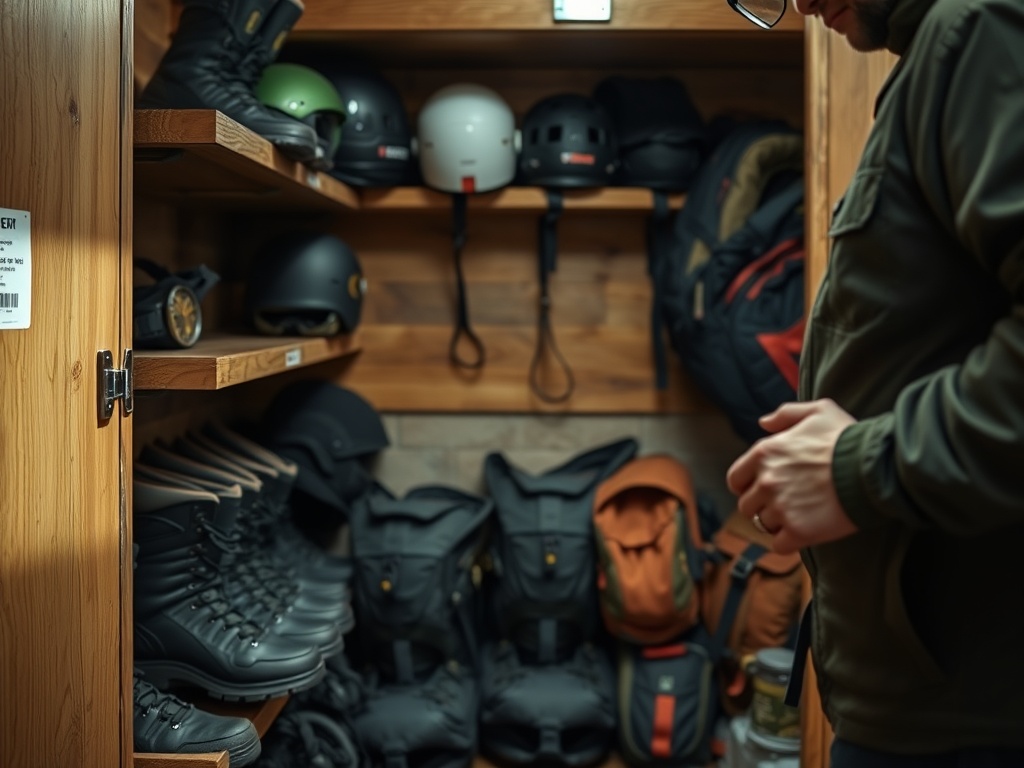
Outdoor gear is not ordinary luggage. It may arrive wet, muddy, sharp-edged, expensive or battery-powered. Storage therefore needs ventilation, drainage, surface durability, charging rules where relevant and a security model that matches the equipment value. A generic luggage room may not be suitable.
Operators should separate guest convenience from liability assumptions. Secure storage practices, claim checks and access controls should be defined by the property and its insurer or legal advisors. If the hotel offers maintenance or tuning, staff competency and equipment-handling procedures matter as much as the physical room.
Sustainability can also become practical here. The article on visible sustainability storytelling is relevant because repair and care services may extend equipment life, but properties should describe what they actually do rather than claiming broad environmental outcomes without measurement.
Publish the Friction Points Before Guests Encounter Them
One of the most useful details on the Four Seasons ski-concierge page is not glamorous: it states the busiest morning and afternoon periods and notes that locker inventory is limited. That kind of information lets guests change behavior. An operator does not need to hide a capacity limit if explaining it helps the traveler plan.
Adventure lodges should publish the rules guests are likely to ask about: whether outside equipment can be stored, whether e-bike batteries can be charged, whether lockers are guaranteed, when tuning must be dropped off, whether wet gear can go to guestrooms and what happens to equipment after checkout. Clarity before arrival reduces repetitive desk questions and prevents staff from improvising policy.
The same principle supports wellness journeys. Activity-focused stays work better when the guest understands the rhythm of the day and can prepare for transitions. Good service often comes from reducing small logistical decisions around the core experience.
Stage Tomorrow's Adventure Tonight
The highest-value gear service may happen after the guest has finished for the day. Drying boots, checking a bike, storing a board or placing skis where they will be ready in the morning reduces next-day friction. This is a form of service recovery before a problem occurs: staff handle predictable maintenance while the guest rests.
Properties can formalize an evening checklist by activity. For skiing: return, inspect, dry boots, tune if requested, secure and stage. For cycling: wash where appropriate, dry, inspect, charge approved systems, secure and confirm next-day pickup. For water sports: rinse, dry, inspect and store. The exact process depends on equipment and local rules.
Operators should measure time saved and service use rather than assuming every guest wants full handling. Some experienced travelers prefer to manage their own gear. A strong system offers a clear self-service path alongside assisted service, with both designed to keep equipment secure and out of general hotel circulation.
Capacity planning is especially important on weather-driven days. A fresh snowfall, sudden rain or a popular trail window can compress demand into the same hour. Gear teams should know the maximum number of fittings, repairs or returns they can process and have a simple overflow plan. Publishing realistic service windows and offering a drop-off option can prevent the concierge area from becoming the property's next queue problem.
Adventure properties should also decide what happens when equipment is lost, damaged or left behind. The process should identify who documents the item, how the guest is contacted, what the storage window is and when a specialist vendor or insurer becomes involved. Clear ownership prevents a service issue from bouncing between front desk, concierge and recreation teams.
Good Gear Service Gives Time Back to the Guest
Adventure lodging works best when equipment follows a deliberate route through the property. Map that route, place services near the activity, design for wet and valuable gear, publish capacity limits and use overnight handling to prepare the next day. The operational win is simple: less time managing equipment and more time doing the activity.