Zone entry, breakout, and possession are connected ideas about moving through pressure while keeping useful control. They appear in hockey, soccer, basketball, lacrosse, and esports even when the vocabulary changes.
Key Takeaways: Zone entry means moving into a defended area with control. | Breakouts move the ball, puck, or player out of pressure. | Possession is useful only when it creates safer, better attacking options.
The Shared Idea Behind Zone Entry
Zone entry is most associated with hockey, where a team crosses the offensive blue line with the puck, but the concept appears across many sports. Soccer teams enter the attacking third, basketball teams flow from transition into the half court, lacrosse teams clear and settle, and esports teams push into controlled map space. The words change, but the challenge is similar: how do you enter a defended area without giving the opponent an easy turnover?
The official USA Hockey rules and resources define the playing environment for hockey, including rink markings and rules that shape entries and breakouts. Coaches then build tactics within those rules. That distinction matters. A blue line offside rule is a fact of hockey. Saying a team should carry the puck instead of dumping it is tactical analysis that depends on player skill, opponent pressure, game state, and support.
Breakout: Escaping Pressure First
A breakout is the phase where a team exits its defensive area and moves toward attack. In hockey, that might mean a defenseman retrieving the puck, scanning pressure, and finding a winger or center. In soccer, it might mean the goalkeeper and center backs playing through a press. In basketball, it can be the first pass and lane fill after a rebound. A good breakout is not just fast. It is organized enough that the next player has a useful option.
Breakouts usually require three ingredients: a first outlet, supporting angles, and communication. The first outlet gives the ball or puck carrier a safe release. Supporting angles prevent the opponent from trapping one side. Communication helps players know whether to reverse, carry, chip, pass, or reset. In youth or beginner settings, the simplest coaching cue is “show early, show wide, and give the carrier two options.”
| Concept | Simple definition | Common coaching cue |
|---|---|---|
| Breakout | Move out of defensive pressure | Create a safe first pass |
| Zone entry | Enter a defended attacking area | Arrive with support, not alone |
| Possession | Keep control while seeking advantage | Use control to improve the next action |
| Reset | Go backward or sideways to avoid a poor attack | Keep the ball or puck when the entry is closed |
| Support lane | A path that gives the carrier a passing option | Move where the defender cannot cover both players |
Controlled Entry vs Direct Entry
A controlled entry keeps possession while entering the attack area. A direct entry sends the ball or puck behind defenders, into space, or toward a target player. Neither is automatically correct. Controlled entries can create better chances if players have the skill and support to keep the play alive. Direct entries can be useful when the defense is set high, the surface is poor, the clock is late, or a fast forward can win the race.
The common mistake is treating possession as a moral good. Possession only helps if it changes the opponent’s shape, creates time, or improves shot quality. Passing backward can be smart if it opens the next forward pass. Carrying alone into three defenders is not brave possession; it is often a turnover waiting to happen. For athletes who process crowded play differently, thoughtful structure can also support participation, which connects to sports options for kids with sensory or attention needs.
How Coaches Can Teach the Pattern
Start with a small-sided game. Give the attacking team a point for entering the target zone with control and another point for creating a shot or clear attempt afterward. This teaches that the entry is not the final goal. It is the bridge to a useful attack. Add defenders gradually, then add a rule that rewards a reset when the entry is blocked. Players learn that patience is part of pressure management.
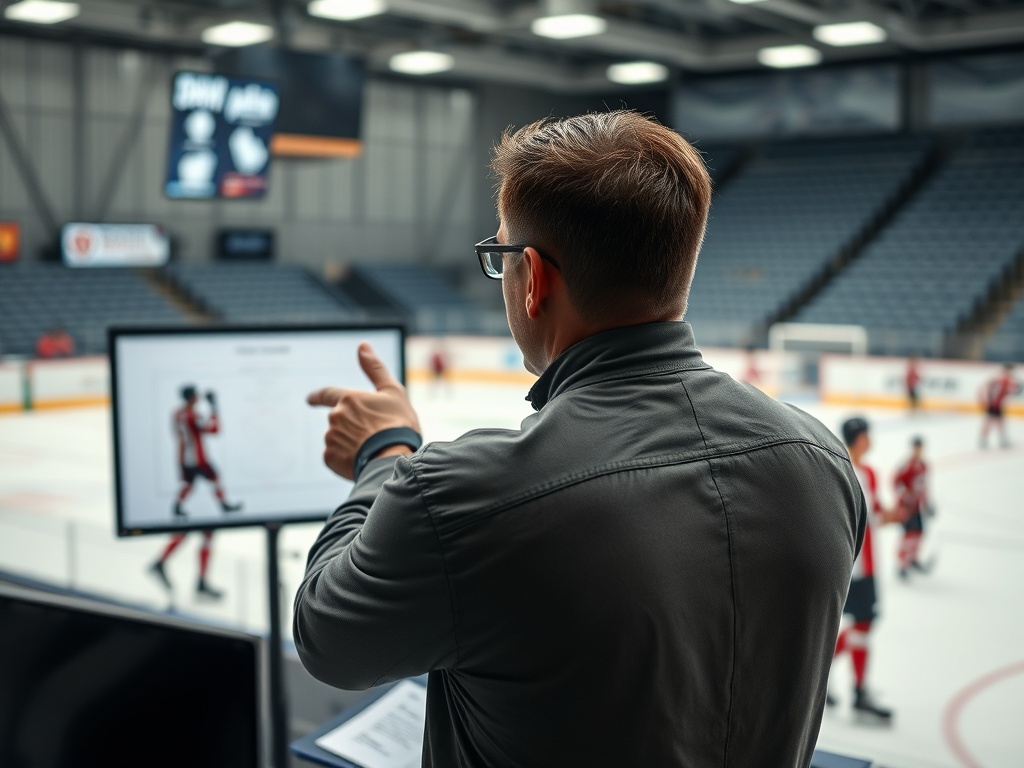
Video review should focus on options, not blame. Pause before the turnover and ask: Where was the first outlet? Where was the weak-side support? Was the carrier forced toward the boundary? Did teammates communicate early enough? These questions turn a failed entry into a teachable moment. They also help captains and team managers speak about tactics without exaggerating intent or claiming to know what a player was thinking.
Mistakes That Break Possession
The first mistake is flat spacing. When players stand on the same line, one defender can cover multiple options. The second mistake is late support. If help arrives after the carrier is trapped, the pass is no longer safe. The third mistake is silent movement. A player may be open, but the carrier may not know it. The fourth mistake is ignoring risk. A pass through the middle may look creative, but if the opponent is waiting, a safer reset might be better.
Safety and rules also affect tactics. In contact sports, legal body position, checking rules, and protective equipment shape how players enter space. A useful tactical article should avoid encouraging reckless collisions or unsupported risk-taking. Readers can pair tactical learning with a review of protective rules and equipment choices when the sport involves contact or high-speed transitions.
A Clear Coaching Lens
Zone entries, breakouts, and possession are not separate mysteries. They are connected choices about space, timing, support, and risk. A beginner should ask, “Can we exit pressure, enter the next area, and keep enough control to create something?” An intermediate player should ask, “Which entry gives us the best next action against this opponent?” The practical next step is to watch one period, half, set, or map and label every entry as controlled, direct, reset, or turnover. Patterns will appear quickly.
Language Players Can Use During Play
Simple shared language makes possession concepts easier. A team might use short cues such as “reverse,” “support,” “middle,” “reset,” “hold,” or “go.” The words should be brief enough to say under pressure and consistent enough that every player understands them. Long tactical explanations belong in practice or video review, not in the moment when a defender is closing space.
Captains should also avoid blaming language after turnovers. “You had no outlet” is more useful than “That was careless.” “We were flat” is more teachable than “You forced it.” The goal is to identify the spacing or timing error that made the turnover likely. When players trust the language, they are more willing to reset, pass backward, or delay the attack rather than force a risky entry.
How Analysts Can Describe Possession Fairly
When writing or talking about possession, avoid turning every outcome into proof of intelligence or failure. A turnover may come from a bad pass, but it may also come from poor support, excellent defense, a slippery surface, or a tactical gamble that was reasonable at the time. Good analysis explains the visible choice and its risk. It does not claim to know a player’s private intent unless the player or coach has said so publicly.