A resort-like backyard is less about buying luxury furniture and more about creating a calm sequence of comfortable zones: shade, seating, greenery, soft lighting, practical circulation, and a few repeated materials. Start with how you use the space, solve comfort and privacy first, then add decorative layers.
Resort-Style Backyard Essentials
- Divide the yard into clear activity zones and connect them with simple paths or sightlines.
- Prioritize shade, comfortable seating, privacy, and restrained lighting before decorative extras.
- Repeat a small material and color palette so the backyard feels intentional rather than crowded.
Define the Experience Before the Shopping List
"Resort-like" is a design preference, not an objective quality standard. For one household it means a quiet garden lounge. For another it means dining, a fire feature, a pool, and space for guests. The common thread is that successful hospitality spaces make movement and comfort feel easy.
Write down the two or three activities the yard needs to support. Morning coffee, dinner for six, reading, children playing, grilling, or soaking in a spa all demand different layouts. Designing around actual use prevents the familiar problem of filling a patio with attractive objects that do not work together.
Step 1: Create Distinct Zones
Start with the largest fixed elements: house doors, existing trees, grade changes, utility equipment, pool fencing, sheds, and property lines. Then assign zones around them.
A simple backyard might pair dining near the kitchen with a lounge area, a shaded chair, and planting around utilities. Rugs, paving changes, planters, or furniture orientation can suggest boundaries without building walls everywhere.
Keep the main walking route obvious. Guests should not have to squeeze behind chairs, cross the grill's working area, or step through a planting bed to reach another zone.
Step 2: Make Shade the First Comfort Upgrade
Shade changes how long a patio can be used in hot weather. Existing trees are often the most visually natural solution, but pergolas, umbrellas, shade sails, and covered structures can provide more immediate control.
Choose the shade method based on sun angle, wind exposure, drainage, structure, and local code. A large umbrella that works on a protected patio may be unsafe on an exposed site without the correct base and wind management. Permanent structures may require permits, setbacks, or engineered footings.
If you are adding plants for shade or screening, match them to mature size and local climate rather than buying for their appearance in a nursery pot.
Step 3: Build Privacy in Layers
A tall solid fence can provide immediate screening, but it may also make a small yard feel boxed in. Layered privacy often feels softer: a code-compliant boundary fence, strategically placed shrubs or small trees, a trellis where appropriate, and furniture positioned away from direct sightlines.
Before planting a hedge, check mature width, root behavior, irrigation needs, and how close it can safely grow to structures. Avoid planting a future problem simply to solve today's view.
During drought-prone seasons, privacy planting should fit the water budget. Drought Watering Priorities for Home Landscapes explains why newly planted screens may need higher priority than established low-water areas during the establishment period.
Step 4: Use a Restrained Material Palette
Luxury spaces often feel calm because materials repeat. Choose two or three dominant finishes, such as warm wood, dark metal, pale stone, woven fiber, or concrete, and echo them across furniture, planters, side tables, and accessories.
This does not mean everything must match. Variation in texture keeps the yard from looking like a furniture catalog. The goal is visual continuity: a black metal lantern can relate to black chair frames, while neutral cushions allow planting and seasonal accessories to provide color.
Step 5: Layer Lighting Instead of Flooding the Yard
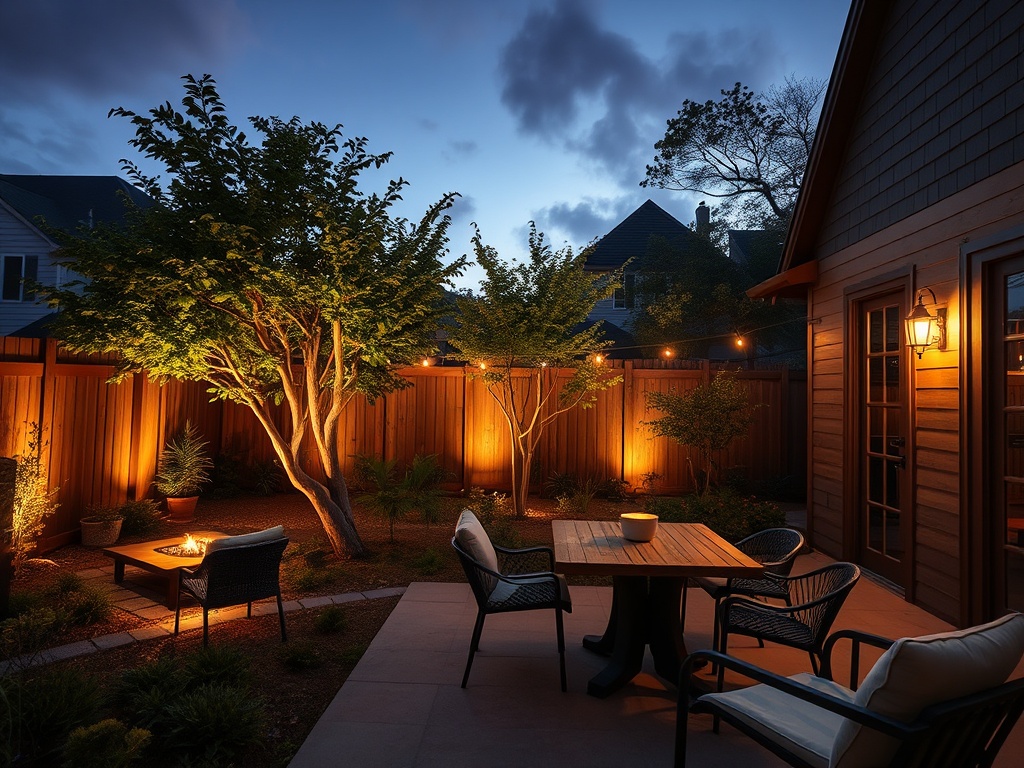
Outdoor lighting is both functional and atmospheric. Use low-level path lighting where needed, shielded task lighting at cooking areas, and gentle accent light on a feature tree or wall. Avoid pointing bright fixtures into neighbors' windows or washing the entire yard in high-output light.
DarkSky International and the Illuminating Engineering Society promote five principles for responsible outdoor lighting: useful, targeted, low-level, controlled, and warm-colored where possible. Those principles also happen to create a more sophisticated backyard because the eye notices pools of light rather than glare.
Use weather-rated equipment and follow electrical requirements. If new circuits, hardwired fixtures, pool-zone wiring, or buried cable are involved, local electrical codes may require a qualified professional.
Step 6: Let Planting Do More Than Decorate
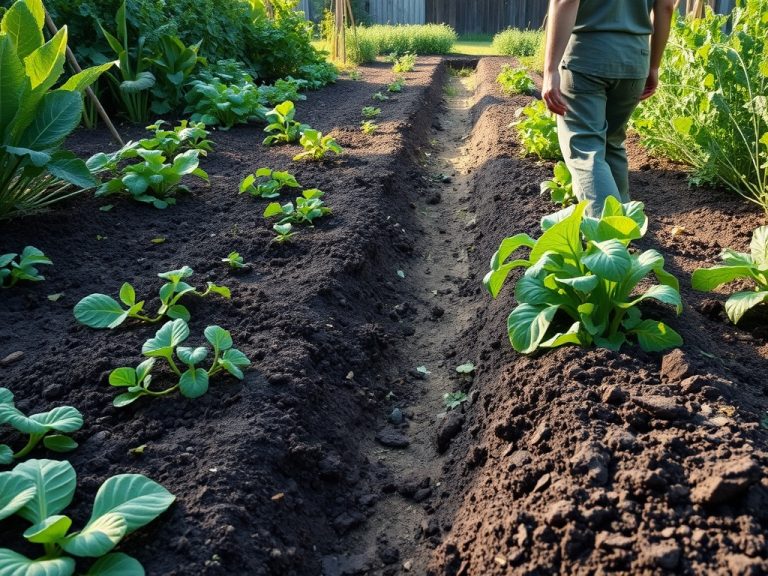
Plants can soften hardscape, frame views, add fragrance, create shade, and provide privacy. A resort-inspired planting scheme usually benefits from repetition rather than one of everything. Repeat a few dependable species or forms, then add a smaller number of seasonal accents.
Choose plants for actual site conditions. The EPA's WaterSense landscaping guidance recommends considering local climate, sun and shade, soil, maintenance, and water needs. Grouping plants with similar irrigation requirements also makes the landscape easier to manage.
Containers can provide a lush look near seating, but they require more frequent attention because their root zone is limited. Use them where you can realistically water and maintain them.
Step 7: Reduce Visual Noise
Resort spaces rarely display the maintenance equipment that keeps them running. Create concealed but accessible storage for hoses, cushions, pool tools, toys, and grilling accessories. Screen trash bins and mechanical equipment without blocking required ventilation or service access.
This is also where yard-tool choices can affect the experience. If noise, fuel storage, or maintenance clutter is a concern, Battery vs Gas Yard Tools: Which Makes More Sense Now? offers a practical comparison based on workload rather than trend.
Step 8: Add One Memorable Feature
Instead of scattering budget across many decorative purchases, choose one focal element that supports how you use the yard. It might be a deep lounge chair under a specimen tree, a water bowl with a simple recirculating pump, an outdoor dining table, a fire feature where allowed, or a sculptural planter grouping.
The feature should have a job. A fire pit on a cramped patio may reduce circulation. A water feature beside a bedroom window may sound relaxing to one person and irritating to another. Test placement before committing to permanent work.
Common Mistakes That Make the Yard Feel Less Relaxed
Too many furniture styles. A few repeated shapes and finishes usually feel calmer than unrelated pieces collected without a plan.
Oversized furniture. Measure circulation space with chairs pulled out, not just the table footprint.
Bright overhead lighting. Glare flattens the space and can make a patio feel more like a parking lot than a retreat.
Planting for instant fullness. Crowding young plants ignores mature size and creates future pruning and airflow problems.
Ignoring storage. Cushions, toys, hoses, and tools need an easy home or the visual calm disappears in daily use.
Copying a hotel climate. Tropical planting that thrives at a resort may be impractical in your region. Translate the design principles, not the exact plant list.
Finish the Backyard With Restraint
A backyard feels more like a resort when comfort and order are obvious: shade where people sit, privacy where it matters, lighting without glare, healthy planting, and uncluttered circulation. Build those fundamentals first, then add a focal feature and a small set of accessories that reinforce the same mood.
Home and garden information is provided for general educational purposes. Structural work, electrical installations, pools, fire features, fences, and permanent shade structures may be subject to local codes, permits, and professional safety requirements.[/