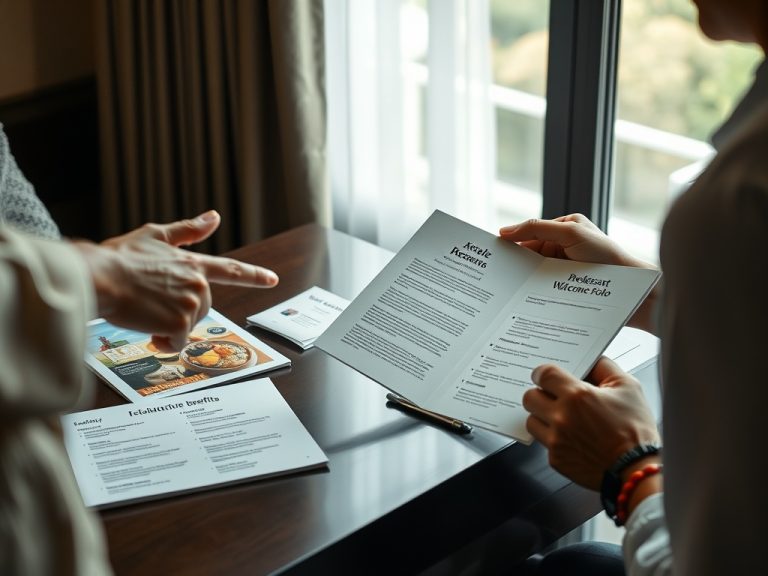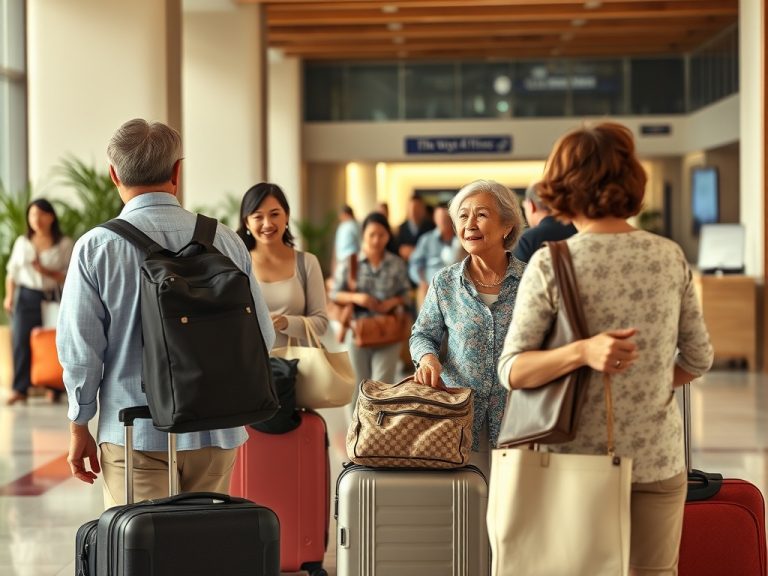
Fast group check-in comes from moving work away from the front-desk peak. Hotels that prepare rooming data early, separate group-block booking from arrival-day verification, use digital arrival tools where appropriate and define clear exceptions can reduce queues without removing human help for guests who need it.
TL;DR
- Clean the rooming list and reservation exceptions before arrival day.
- Give planners and attendees one authoritative set of instructions about group codes, dates and identification requirements.
- Use digital check-in or direct-to-room tools to reduce routine front-desk traffic, while keeping an assisted path available.
- Treat key distribution, luggage, room readiness and billing questions as separate workflows instead of one overloaded queue.
The Front Desk Should Not Be the First Place the Group Is Reconciled
A group arrival becomes slow when the hotel tries to solve reservation hygiene, payment, room assignment, key issuance and event orientation at the same counter. The more of that work that can be resolved before the bus, flight bank or conference break ends, the more capacity remains for genuine exceptions. This starts with a clean rooming list: correct names, stay dates, occupancy, billing instructions and any known accessibility or room-type requirements.
Marriott's current guidance on booking a convention or group rate illustrates an important separation. The group coordinator establishes a group code with the hotel in advance, and individual attendees use that code to reserve eligible rooms. The process does not solve check-in by itself, but it shows how a defined block and booking path can reduce manual interpretation later. Hotels should extend that discipline into arrival operations by identifying out-of-block nights, duplicate names and unpaid or incomplete reservations before the peak period.
The practical standard is simple: if a problem can be found by reviewing the file 48 hours earlier, it should not be discovered for the first time with 30 people waiting in the lobby.
Create More Than One Arrival Lane
Groups are not operationally uniform. Some guests have completed every step and only need access to a ready room. Others need to add a card, change a roommate, request an accessible room or clarify who is paying incidentals. Pushing both types through one queue wastes the fastest cases and gives complicated cases too little attention.
Digital arrival tools can help with the routine lane. Walt Disney World describes a Direct-to-Room service that lets eligible resort guests use online check-in, receive room-ready updates and access their room without a front-desk stop. Hilton also allows a primary guest to share a Digital Key with up to four travel companions who meet the program requirements. These are brand-specific systems, but the operating lesson is broader: remove guests who do not need a desk transaction from the desk queue.
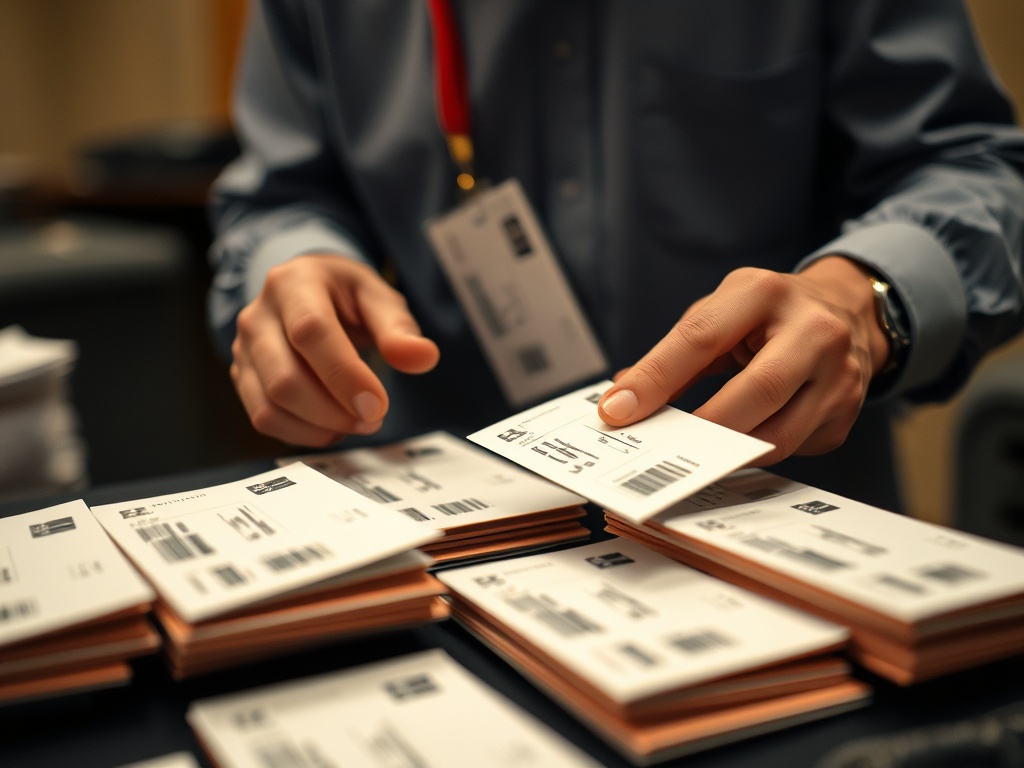
Hotels without digital keys can still create lanes. Preprinted key packets, a group hospitality desk, a separate exception counter or staff stationed near the entrance to direct guests can reduce congestion. The key is to preserve verification and security requirements while avoiding duplicate steps.
Make Room Readiness a Communication Problem, Not a Surprise
Group schedules often bring many guests to the hotel before standard check-in time. The property may not be able to make every room ready early, but it can prevent uncertainty. Planners should know the standard check-in time, expected early-arrival volume, luggage-storage process and the plan for distributing room-ready updates. Guests should know whether they can attend the meeting, use facilities or leave bags safely while waiting.
This is a different problem from family and multigenerational group arrivals, where keeping households and age groups coordinated may matter more than speed alone. A conference group may tolerate staggered room release if the meeting space and luggage flow are clear. A family reunion with children and older relatives may need a different priority order.
The hotel should also avoid giving every attendee the same optimistic room-ready estimate. If rooms will be released in waves, say so and define how updates will be sent. Reliable status information reduces repeated desk visits, which in turn protects front-desk capacity.
Separate Keys, Luggage and Orientation
One of the easiest ways to create a lobby bottleneck is to combine unrelated processes. A guest who needs a room key does not necessarily need a five-minute explanation of the event schedule. A guest whose room is not ready may only need a luggage claim process and a message about the next update. A planner may need a master-account discussion that should happen away from the attendee line.
Strong group operations assign each task a location and owner. That can mean bell staff controlling tagged luggage, event staff handling wayfinding, front desk handling identity and payment exceptions, and a group lead resolving master-account questions. Signage and verbal instructions should use the same language so guests are not sent from one station to another.
This mirrors the logic behind smoother island-resort arrivals: the handoff matters as much as the individual service step. When responsibility changes, the guest should know exactly who owns the next action.
Measure the Peak, Then Redesign It
Hotels often discuss group check-in in general terms even though the problem is concentrated in a short arrival peak. Record how many guests arrive in each 15-minute period, how long the standard transaction takes, what percentage are exceptions and which questions cause the longest stops. That information will show whether the best fix is more staffing, better pre-arrival data, a digital option, clearer billing rules or simply a separate luggage process.
The arrival review should include the promise made by sales. If the contract or planner communication implies that all rooms will be ready at a time the operations team cannot support, the queue problem begins before the group arrives. Sales, rooms and events teams need one realistic operating plan.
A good next step is to run the upcoming group's rooming list through an exception checklist 48 hours before arrival and simulate the first 30 minutes of the peak. The aim is not to eliminate every desk interaction. It is to reserve human attention for the guests who genuinely need it.
Hotels should brief the group planner on what attendees must still do individually. Identity checks, payment authorization and local registration requirements may not be delegable to a coordinator. Separating planner responsibilities from guest responsibilities prevents the common assumption that a rooming list has completed every arrival formality. The clearer that boundary is before travel, the faster staff can move routine cases through the lobby.
The Fastest Check-In Is the One Prepared Earlier
Group check-in improves when the hotel stops treating the lobby as the place where every issue must be solved. Clean data, clear lanes, honest room-readiness communication and separate ownership of keys, luggage and billing create a faster arrival while preserving support for complex cases.