
Sodium and potassium help regulate fluid balance, nerve signaling, and muscle function, but their exercise value depends on context. Most routine workouts do not require a special electrolyte product; prolonged sweating, heat, individual sweat losses, diet, medications, and health conditions change the decision.
TL;DR: Use normal meals and water as the default for ordinary training. Consider electrolyte replacement when sweating is prolonged or substantial, especially in heat, but avoid treating sodium and potassium as interchangeable or assuming that a higher dose improves recovery.
The two minerals work on different sides of the cell
Sodium is the main positively charged ion in fluid outside cells, while potassium is concentrated inside cells. Together with other electrolytes, they help maintain electrical gradients used by nerves and muscles. The NIH potassium fact sheet explains potassium’s role in normal cell function, fluid volume, and electrochemical gradients.
That physiology does not mean a workout creates a predictable “electrolyte deficit” that a single powder can fix. Sweat composition varies substantially, and the amount lost depends on sweat rate, duration, climate, clothing, acclimatization, and the individual. Food eaten before and after training also contributes sodium, potassium, carbohydrate, and fluid.
Potassium is widely available in foods such as potatoes, beans, dairy foods, fruit, vegetables, and fish. Sodium is abundant in many packaged and restaurant foods. The FDA’s sodium guidance sets the Daily Value at less than 2,300 milligrams for the general diet, but an athlete’s immediate replacement question is not answered by a label alone. Medical advice, total intake, and sweat exposure still matter.
Separate everyday nutrition from training replacement
| Situation | Usual starting point | Why context matters |
|---|---|---|
| Short, easy session in a comfortable environment | Water as desired and normal meals | Sweat loss is often modest |
| Longer session with noticeable sweating | Fluids plus food or a suitable drink | More fluid and sodium may be lost |
| Several hours of sweating in heat | Planned fluid and electrolyte strategy | Losses and heat strain can accumulate |
| Kidney, heart, or blood-pressure condition | Individual clinical advice | Fluid and electrolyte handling may differ |
| Use of diuretics or other relevant medicines | Prescriber or pharmacist guidance | Medication can alter sodium or potassium balance |
The CDC/NIOSH hydration resource notes that regular meals and adequate water are generally sufficient for water and electrolyte balance, while balanced electrolyte drinks can be an option when sweating continues for several hours. This is a workplace heat resource, not a personalized sports prescription, but the context distinction is valuable.
Read sweat signals with caution
Salt marks on clothing and stinging eyes suggest salty sweat, but they do not quantify sodium loss. A large change in body mass across a session can reflect fluid loss, yet home scales, clothing, food, urine, and drinking introduce error. Thirst, urine color, cramps, headache, and fatigue are also nonspecific. They can be influenced by heat, pacing, sleep, illness, fueling, and other factors.
Muscle cramps are especially easy to oversimplify. Some cramps occur alongside heavy sweating, but fatigue and neuromuscular factors can also contribute. An electrolyte drink is not a guaranteed prevention or treatment. Recurrent, severe, whole-body, or unusual cramping deserves medical attention rather than repeated self-experimentation.
If you are adjusting a broader training schedule, read the electrolyte question alongside weekly recovery planning. A schedule with too many demanding sessions will not become balanced because hydration is more aggressive.
Three cases show why the answer changes
Case A: the lunchtime gym session
An office worker completes a moderate indoor strength session, drinks water, and eats a normal lunch. There is no prolonged heat exposure or unusually heavy sweating. In this situation, food and water are a reasonable default. A brightly marketed electrolyte blend may add cost without solving a demonstrated problem.
Case B: the long, hot endurance day
An experienced cyclist trains for several hours in warm conditions and finishes with visible salt residue. Here, fluid, sodium, carbohydrate, heat management, and pacing deserve a planned approach. The strategy should be tested during training rather than introduced for the first time at an event. Individual sweat assessment with a sports dietitian can be useful when performance stakes are high.
Case C: the athlete taking medication
A recreational runner uses medication that affects fluid or electrolyte handling. Generic advice to “take more potassium” could be unsafe. The right step is to discuss training, heat exposure, diet, and supplements with the prescriber or pharmacist. Electrolyte products are not automatically low risk because they are sold as food or wellness items.
Match the drink to the actual session
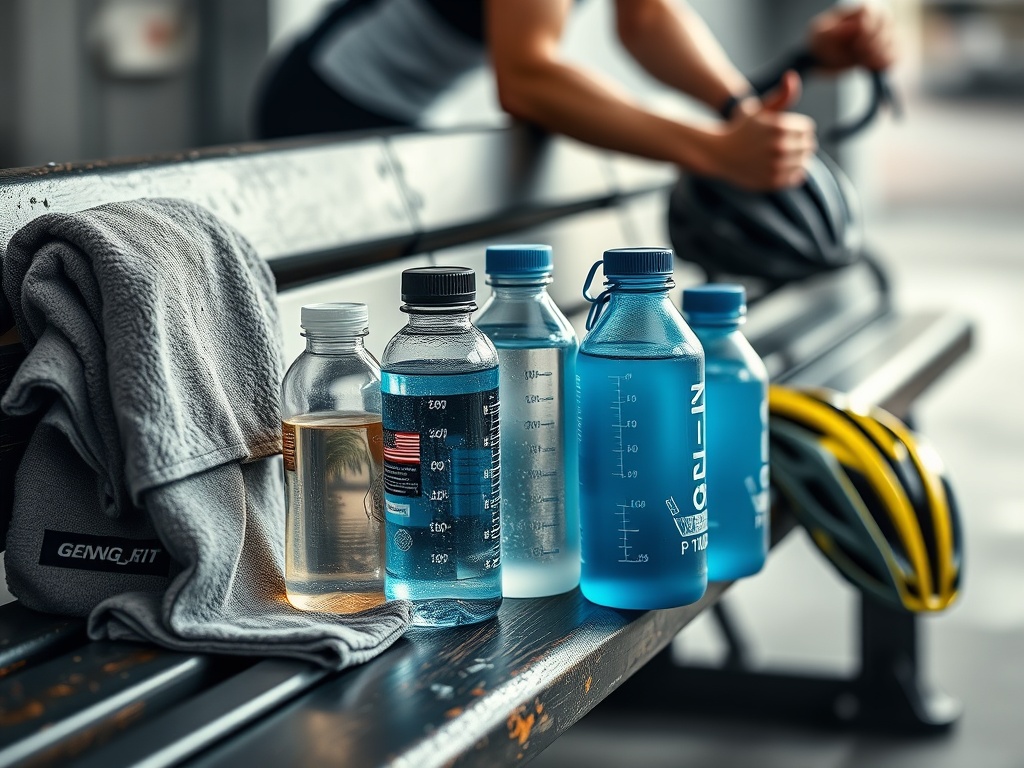
Start by asking what needs replacing. For a normal indoor workout, water and a regular meal may cover the task. For prolonged training, a drink may need to support fluid intake, sodium replacement, and sometimes carbohydrate delivery. More ingredients do not necessarily make it better.
Check the serving size, sodium amount, potassium amount, carbohydrate, caffeine, and instructions. Compare the label with what you will actually mix and drink. A product described as “electrolyte” may contain very little sodium, while another may be inappropriate for someone who must limit sodium or potassium.
Connect the drink choice to the whole training plan. In a structured 12-week strength program, for example, ordinary meals and water may cover most indoor sessions; prolonged heat exposure changes the calculation. Energy and carbohydrate availability cannot be replaced by an electrolyte-only drink.
Avoid both underdrinking and forced overdrinking
Dehydration can impair comfort and performance, especially in heat, but drinking far beyond losses can also be dangerous by diluting blood sodium. Do not use a rigid “more is better” rule. A personalized plan should consider thirst, access to fluid, environmental conditions, sweat rate, session length, and event rules.
After training, ordinary food can contribute fluid, sodium, potassium, carbohydrate, and protein. A meal with a drink may be more complete than a supplement taken in isolation. If appetite is low or another session is close, a convenient recovery food or drink can help, but it should serve a defined need.
People monitoring body weight should also expect fluid shifts after salty food, long training, and carbohydrate changes. The maintenance guide on what to do after reaching a goal weight explains why a short-term scale change is not automatically fat regain.
Claims that deserve skepticism
Be cautious when a product promises to eliminate fatigue, prevent every cramp, detoxify the body, accelerate fat loss, or create superior hydration for everyone. Those claims ignore different diets, environments, medical conditions, and training loads. Look for transparent quantities rather than proprietary blends, and distinguish a plausible ingredient role from proof that the finished product improves your outcome.
It is also a mistake to judge hydration only by clear urine or to copy a professional athlete’s bottle plan. Very pale urine can occur with high fluid intake, and elite strategies are shaped by workloads, logistics, and professional monitoring that may not match recreational training.
Use context, not marketing, to choose
For your next week of training, identify which sessions involve prolonged or heavy sweating and which do not. Use food and water as the default, read labels when a drink has a clear role, and test any event strategy during training. If you have a relevant medical condition, take medication that affects fluid balance, or experience persistent symptoms, get individualized clinical advice before changing sodium or potassium intake.