During drought, the best watering strategy is not to keep every square foot equally green. Prioritize high-value woody plants and newly established plantings, follow local restrictions, reduce avoidable losses, and allow lower-priority turf or ornamental areas to receive less water when appropriate for the species and climate.
Drought-Watering Priorities at a Glance
- Check local drought rules first because allowable days, times, and methods vary by utility and jurisdiction.
- Give priority to trees, shrubs, and recent plantings that would be costly or slow to replace; established drought-tolerant areas usually need less help.
- Water the root zone efficiently, fix leaks and overspray, use mulch, and adjust frequency to soil, weather, slope, and plant needs.
Start With Restrictions, Not the Irrigation Controller
Drought rules are local. A schedule that is legal in one city may be prohibited in the next, and emergency stages can change quickly. Before changing runtimes, check your water utility or local government for watering days, exemptions for new plants, hand-watering rules, and restrictions on decorative water features or turf.
The U.S. EPA's WaterSense program advises households to be drought aware and notes that utilities may impose limits during shortages. Its current drought guidance is a useful national starting point, but the local utility remains the source for enforceable rules.
A Simple Priority Order for Limited Water
A home landscape is a collection of plants with different replacement costs, rooting depths, and tolerance for dry conditions. A practical triage order is:
1. Newly planted trees and shrubs. Their root systems are still limited to a relatively small volume of soil, so they can dry faster than established specimens.
2. Established trees and valuable woody plants showing drought stress. Mature shade trees provide benefits that take years to replace, so protecting their root zones often deserves more attention than preserving uniform turf color.
3. Perennials, food crops, and container plants with active needs. Containers can dry especially quickly because their root volume is restricted.
4. Functional turf. Keep play or erosion-control areas alive when feasible, but avoid watering decorative lawn simply to maintain a perfect color if water is scarce.
5. Low-priority annual color and easily replaced ornamentals. In a severe shortage, these may receive the least water.
This is a planning framework, not a universal horticultural rule. Species, local climate, irrigation restrictions, and the health of individual plants can change the order.
Water the Root Zone, Not the Calendar
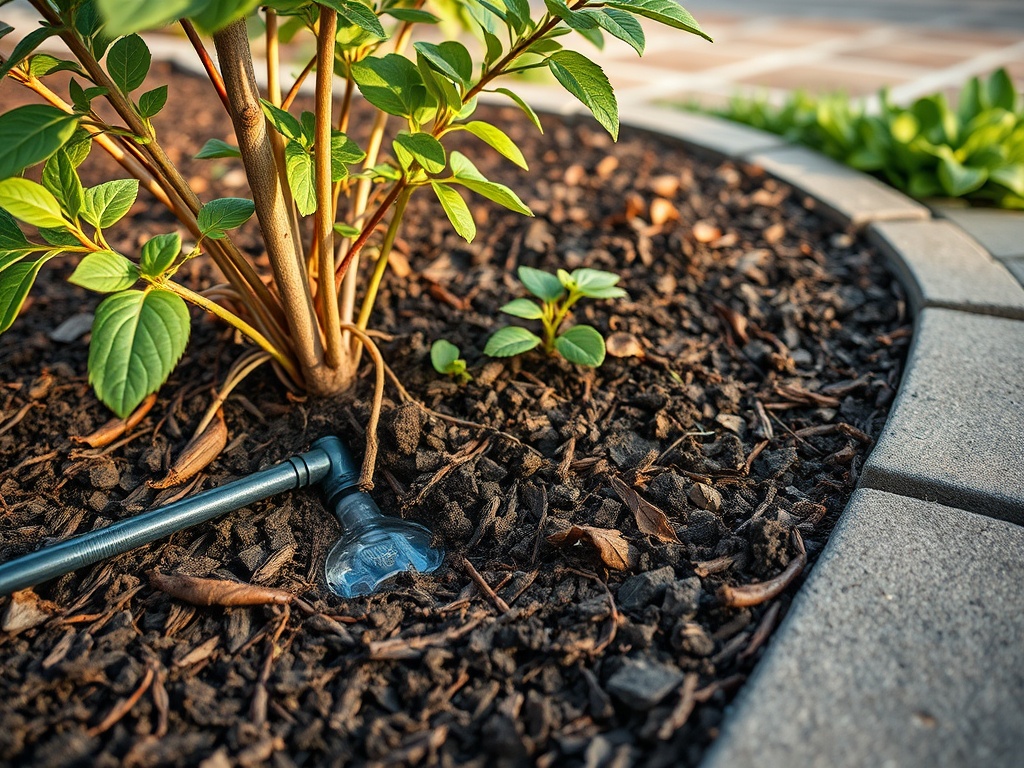
EPA WaterSense recommends learning what the landscape actually needs and adjusting irrigation to weather and plant conditions rather than relying on a fixed schedule. Its watering tips also emphasize avoiding runoff, maintaining equipment, and using microirrigation for gardens, trees, and shrubs where appropriate.
For trees and shrubs, think in terms of the active root zone rather than pouring water against the trunk. Apply water slowly enough that it infiltrates instead of running across the surface. On clay soils or slopes, shorter irrigation cycles separated by soak periods can reduce runoff. On sandy soils, water may infiltrate quickly but move beyond a shallow root zone sooner.
Do not copy a universal number of minutes from a neighbor. Flow rate, emitter type, soil, slope, plant size, weather, and pressure all influence how much water reaches the root zone.
Fix Waste Before Cutting Useful Water
A drought plan works better when the first reductions come from waste rather than plant stress. Walk the system while it is running and look for:
- broken or tilted sprinkler heads;
- water spraying pavement or fences;
- clogged drip emitters;
- leaks around valves and fittings;
- zones mixing turf with shrubs that have different needs;
- runoff before the programmed cycle finishes;
- irrigation running after meaningful rainfall.
EPA's water-smart landscaping guidance recommends grouping plants with similar water needs and matching plant choices to local climate and site conditions. Those design decisions reduce the amount of correction required during a drought.
Use Mulch and Soil Care as Watering Tools
A layer of suitable mulch around trees, shrubs, and garden beds can limit surface evaporation and moderate soil temperature. Keep mulch away from direct contact with trunks and crowns, and avoid piling it into a volcano shape around trees.
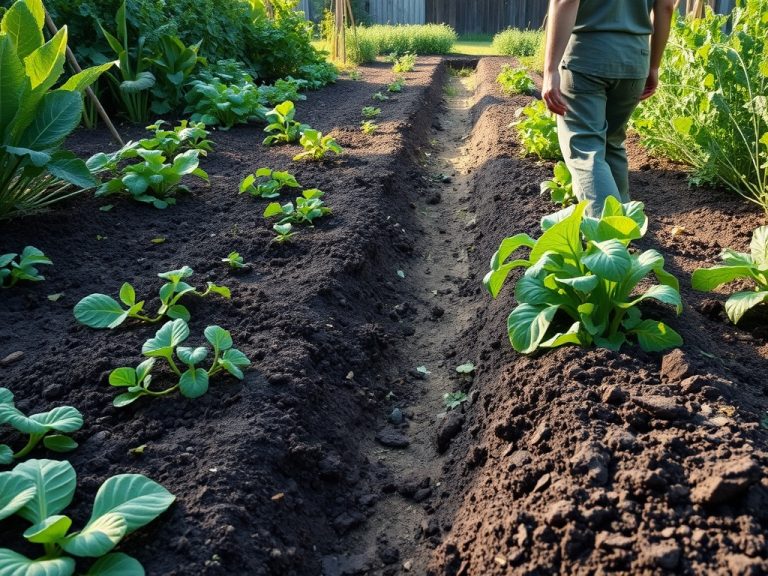
Soil structure also affects drought response. Water moves poorly across crusted or compacted surfaces and may run off before reaching roots. A garden managed with surface organic matter and less unnecessary disturbance can improve infiltration over time. For a closer look at that connection, see No-Dig Gardening and Why Soil Structure Matters.
Do not add fertilizer simply because plants look stressed. Drought symptoms can overlap with nutrient problems, root damage, and pest injury. Pushing new growth can also increase water demand. Diagnose first.
What Drought Stress Can Look Like
Different species show stress differently, but common signs include wilting that persists into the morning, curled or scorched leaf margins, premature leaf drop, dull or gray-green foliage, and reduced new growth. Turf may lose color or show footprints longer after being walked on.
These signs do not automatically mean "water more." Check soil moisture below the surface and inspect the plant because root problems, broken irrigation, heat, and feeding damage can mimic drought stress.
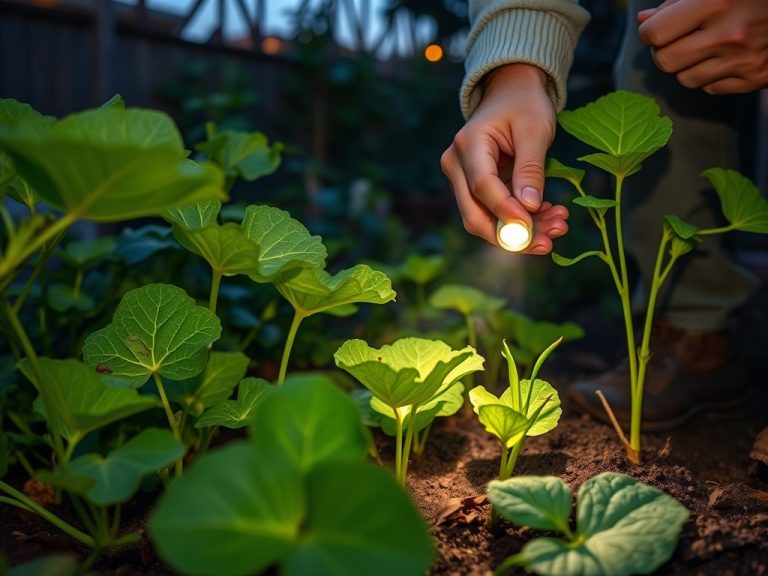
If leaves disappear overnight or stems are chewed rather than wilted, drought may not be the primary issue. Why Plants Keep Getting Eaten Overnight can help separate nocturnal feeding from water-related symptoms.
When to Let a Lawn Go Less Green
Turf is often the largest irrigated area in a conventional yard, so it is an obvious place to reduce demand. Whether a lawn can safely enter drought dormancy depends on the grass species, season, heat, soil, and how long the dry period lasts. Some grasses tolerate periods of browning better than others.
If you decide to reduce turf irrigation, do it deliberately. Keep an eye on high-traffic or exposed areas, follow local extension guidance for your grass type, and avoid making promises that dormant-looking turf will recover under every condition. If the lawn has little functional value, a longer-term redesign with climate-appropriate planting may reduce future drought pressure.
Common Drought-Watering Mistakes
Frequent shallow sprinkling. It can wet the surface without supplying deeper roots and may increase evaporation losses.
Watering every zone the same way. Turf, established shrubs, young trees, containers, and vegetable beds do not have identical needs.
Increasing runtime when water runs off. If soil cannot accept the flow rate, longer continuous cycles often send more water to the gutter. Use lower application rates or cycle-and-soak methods where suitable.
Ignoring new plantings. A recently planted drought-tolerant shrub may still need regular establishment watering before it can perform like an established specimen.
Assuming brown means dead. Some turf and perennials can enter dormancy, while other plants may be suffering irreversible damage. Identify the plant and its seasonal behavior before deciding.
Water What Matters Most
Drought watering is an exercise in priorities: comply with local rules, protect long-lived plants, reduce leaks and overspray, and make each irrigation event reach the root zone effectively. A landscape designed around appropriate plants and well-defined hydrozones will also be easier to manage the next time water is limited.
Home and garden information is provided for general educational purposes. Drought restrictions, irrigation rules, plant needs, and water-use requirements vary by location; consult your water utility, local extension service, or qualified landscape professional for site-specific guidance.[/