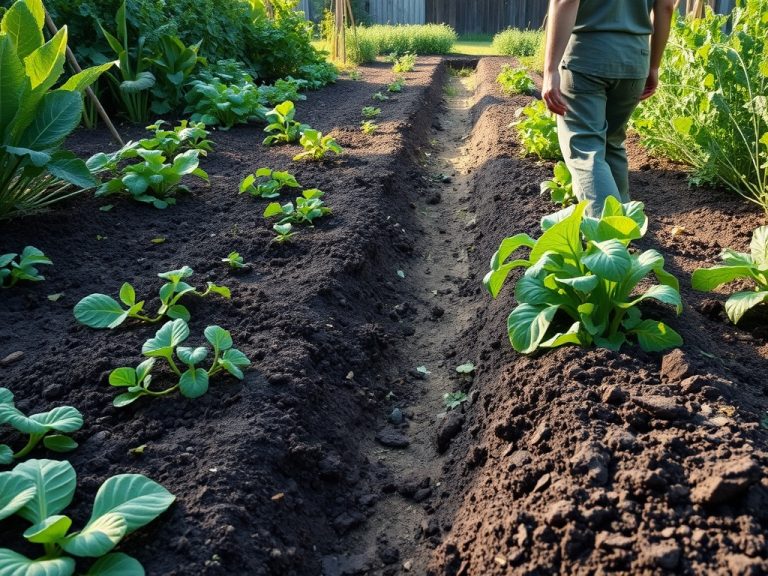
When plants look fine at dusk and chewed by morning, the damage is often caused by nocturnal feeders such as slugs, snails, earwigs, cutworms, or larger animals. The fastest way to solve the mystery is to read the damage pattern, look for tracks or droppings, and inspect the garden after dark before choosing a control.
Night-Feeding Clues at a Glance
- Ragged holes plus slime trails suggest slugs or snails; clipped seedlings near soil level often point toward cutworms.
- Earwigs can make irregular holes and are active at night, but they also eat other insects, so confirm them before controlling them.
- Clean cuts, torn foliage, tracks, or droppings can indicate rabbits or deer rather than insects.
"Overnight" Is a Clue, Not a Diagnosis
Garden damage is easy to mismanage when the pest is unseen. A gardener notices holes, assumes "bugs," sprays something broad, and still wakes up to fresh damage. The better starting point is evidence.
Ask four questions: Which plant parts are missing? What shape are the edges? Is there residue such as slime, frass, webbing, tracks, or droppings? Where does the damage begin: leaf surface, edge, stem, fruit, or root zone? Those details narrow the suspect list before treatment.
A flashlight visit after dark can be more useful than a daytime inspection. Many feeders hide under mulch, boards, pots, dense foliage, or soil during daylight.
Slugs and Snails: Ragged Holes With a Shiny Trail
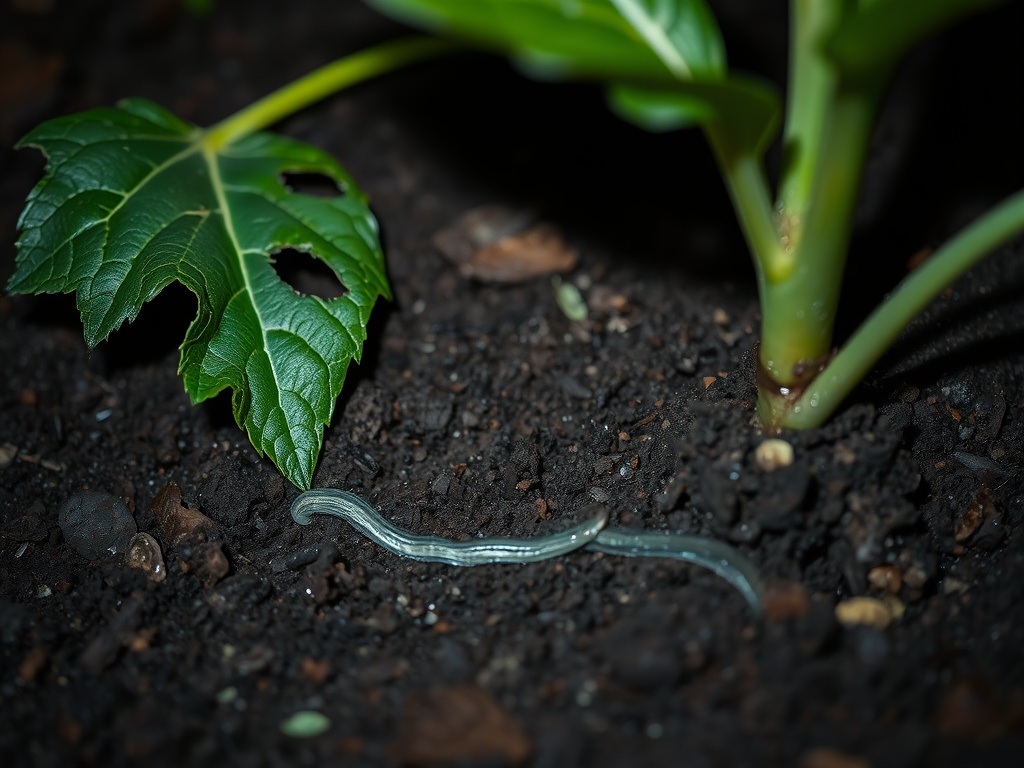
Slugs and snails are strong suspects when seedlings disappear, leaves develop irregular holes, and a silvery or shiny mucus trail is visible. Penn State Extension notes that these mollusks often feed when conditions are cool and damp and hide in protected places during the day. Its guide to holes caused by slugs and snails also recommends reducing excess hiding places and watering at the base in the morning rather than creating damp evening conditions.
Look under boards, flat stones, dense groundcover, thick debris, and the rims of containers. On a small planting, hand removal or simple monitoring traps may be enough to confirm the culprit before you consider additional controls.
Do not assume every irregular hole belongs to a slug. Caterpillars, earwigs, beetles, and other chewing insects can create superficially similar damage.
Cutworms: Seedlings Clipped at the Soil Line
A seedling that appears severed near ground level is a classic cutworm clue. University of Minnesota Extension explains that many cutworms feed in the evening or at night and hide in soil or debris during the day. Its cutworm identification guidance recommends checking around damaged plants and scouting near dusk.
Search the top layer of soil close to a freshly cut plant. Many cutworm larvae curl into a C shape when disturbed. Young transplants are particularly vulnerable because their stems are tender.
For a small garden, physical protection around high-value seedlings can be a practical first response. Keep weeds and plant debris under control near new transplants because those areas can provide shelter. Any pesticide decision should come only after identification and label review.
Earwigs: Night Feeders That Are Not Always Villains
Earwigs are easy to blame once their pincers are noticed, but their role is mixed. Utah State University Extension describes European earwigs as omnivores that can chew leaves, buds, flowers, and fruit while also preying on pests such as aphids and caterpillars. The university's earwig guide recommends nighttime scouting and monitoring because earwigs hide in dark, protected places during the day.
If the damage is tolerable, control may not be necessary. If fresh holes coincide with a large earwig population, cardboard refuges or baited traps can help confirm activity. This evidence-first approach prevents the unnecessary removal of organisms that may also provide some pest-control benefit.
Rabbits and Deer: Look at the Edge of the Bite
When entire leaves or stems vanish, widen the investigation beyond insects. Rabbits often leave relatively clean, angled cuts on tender stems. Deer lack upper incisors, so browsed foliage can look torn or ragged. Tracks and droppings near the bed add useful confirmation.
Physical exclusion is usually more dependable than trying to repel a hungry animal indefinitely. The right barrier depends on the animal, plant height, local wildlife, and whether the bed needs pollinator access. For small vegetable beds, a properly installed fence or mesh cover can be easier to manage than repeated sprays.
Other Suspects Worth Checking
Caterpillars above ground: Some species feed at night or remain concealed in rolled leaves and plant centers. Look for frass, webbing, or larvae on the undersides of leaves.
Beetles and weevils: Depending on species, they may notch leaf edges or chew irregular holes. Timing and host plant can help narrow identification.
Rodents: Mice, voles, and rats may damage fruits, bulbs, seeds, bark, or roots. Gnaw marks and burrows are more informative than leaf holes alone.
Birds: Birds can peck fruit, seedlings, and emerging seed. Daytime observations usually reveal them, but damage discovered in the morning can still have occurred around dawn.
Domestic animals: Pets can flatten, dig, or break plants in ways that look like wildlife feeding at first glance.
A Five-Minute Night Inspection Routine
1. Start at the newest damage rather than surveying the whole yard.
2. Shine the light under leaves, around stems, beneath pot rims, and along the soil surface.
3. Check mulch, boards, stones, and weeds within a few feet of the plant.
4. Photograph the damage and any suspect before removing it.
5. Repeat the inspection on two or three nights if the evidence is uncertain.
This routine turns a vague symptom into a pattern. It also lets you compare the amount of new damage with the number of pests present. One earwig in a bed does not prove that earwigs caused a missing row of seedlings.
Control the Cause With the Least Disruption
Once the pest is reasonably identified, begin with prevention and physical controls that fit the situation. Reduce unnecessary hiding places, protect seedlings, harvest ripe produce promptly, repair gaps in fencing, and adjust evening watering if it is creating consistently wet surfaces that favor slugs.
If the garden is already being managed with heavy mulch or a low-disturbance approach, remember that shelter can benefit both helpful and harmful organisms. No-Dig Gardening and Why Soil Structure Matters explains why surface cover has soil benefits; the practical answer is usually targeted monitoring, not stripping the bed bare.
During drought, stressed plants may recover more slowly from feeding. Drought Watering Priorities for Home Landscapes can help you decide which plants deserve limited irrigation while you address the pest separately.
Misconceptions That Lead to Bad Pest Decisions
"Holes mean insects." Slugs are mollusks, and mammals can remove foliage without leaving obvious evidence at first.
"If I see a pest, it caused all the damage." Presence is not proof. Match the pest's feeding pattern to the injury.
"More mulch always means more pest damage." Mulch can provide shelter for slugs and earwigs in some conditions, but it also protects soil and supports beneficial organisms. Manage the specific problem rather than abandoning a useful practice automatically.
"A broad pesticide is the fastest fix." It may miss the actual culprit, affect non-target organisms, and still leave the original cause untouched. Identification comes first.
Turn Nighttime Damage Into Evidence
The mystery usually becomes manageable when you inspect at the time the feeder is active. Read the bite pattern, look for tracks or residue, confirm the suspect after dark, and choose the narrowest effective response. A few minutes of observation can save weeks of treating the wrong problem.
Home and garden information is provided for general educational purposes. Pest species, pesticide labels, wildlife rules, and recommended controls vary by location; use local extension guidance and follow all product labels and regulations when treatment is considered.[/