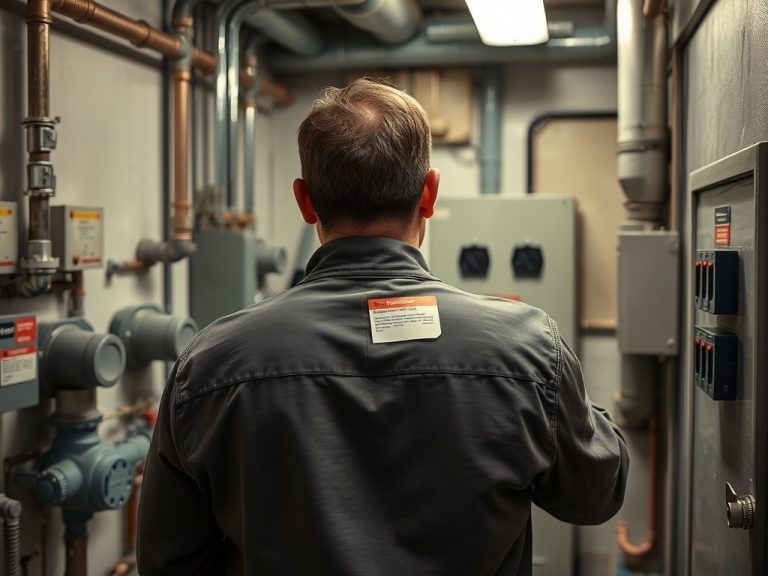
Sports venues and event spaces need maintenance planning that accounts for large crowds, rapid turnover, life-safety systems, weather exposure, surface wear, and event-specific temporary setups. The work is more complex than standard building upkeep because the same facility may shift from game day to concert, banquet, practice, and public assembly use in a short period.
Key Takeaways: This article focuses on sports venue maintenance. Use the guidance as an educational planning framework, then confirm project-specific requirements with qualified professionals and local authorities.
Audience fit: Beginner readers can use this as a practical advanced guide reference without treating it as engineering, legal, compliance, or project-management advice.
High-occupancy buildings age differently
The first decision is to define the exact project condition. In construction and maintenance, vague decisions create vague accountability. For sports venue maintenance, teams should write down what is being evaluated, who owns the decision, what records prove the condition, and what standard or contract requirement controls the next step.
This keeps the discussion practical. It also prevents one common problem: treating a technical subject as a preference when it may be governed by code, contract language, safety requirements, design assumptions, manufacturer instructions, or owner operations. When teams are unsure, the safer path is to confirm the requirement before work proceeds.
Life-safety checks cannot be treated as routine chores
For related planning context, compare this topic with Structural shoring basics during renovation projects, especially when decisions affect sequencing, scope, documentation, or follow-up work.
A useful review starts with the factors that most directly affect cost, quality, safety, and schedule. For this topic, the following items deserve a written check rather than a casual conversation:
- Map critical systems by event impact: egress, lighting, alarms, fire protection, seating, guardrails, elevators, restrooms, kitchens, turf, flooring, and parking.
- Build pre-event, event-day, post-event, seasonal, and annual inspection routines.
- Coordinate maintenance with operations, security, cleaning, vendors, and the authority having jurisdiction when required.
- Document temporary stages, barriers, power setups, concessions, and crowd-flow changes before events.
- Use condition records to plan capital repairs before visible failure affects guest safety or revenue.
This kind of decision also connects to adjacent planning topics, so readers should treat the article as part of a broader project-planning conversation rather than a standalone rule.
Surfaces, seating, and circulation deserve special attention
For a formal reference point, NFPA assembly occupancy guidance can help readers separate general practice from published guidance before applying this information to a live project.
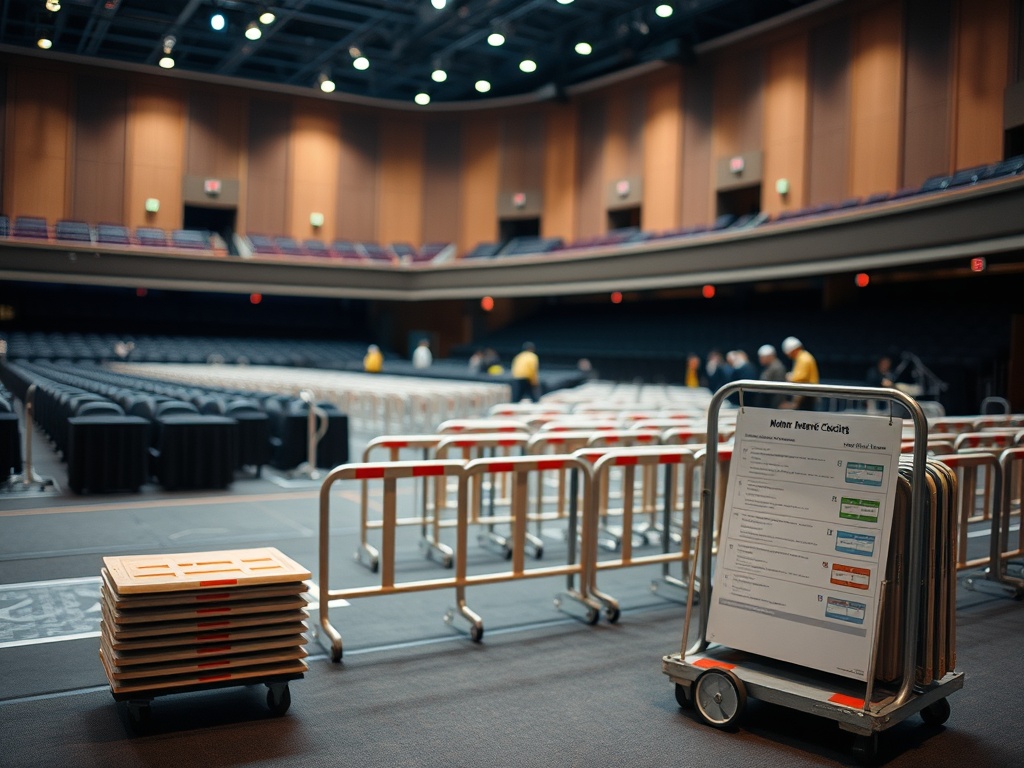
The table below is a practical way to compare the main decision points. It is not a substitute for a specification, engineered design, safety plan, or local code review. It is meant to help owners, managers, and field teams ask better questions before money, labor, or schedule time is committed.
| Decision area | What to review | Why it matters |
|---|---|---|
| Area | Maintenance concern | Why it matters |
| Egress routes | Obstructions, lighting, door hardware, signage condition | Crowd movement depends on clear routes |
| Seating and rails | Loose components, corrosion, sharp edges, fasteners | Small defects can affect many visitors |
| Playing or event surface | Wear, moisture, seams, transitions, protection layers | Surface issues affect safety and event quality |
| Restrooms and concessions | High-use fixtures, drainage, ventilation, cleaning access | Failures affect guest experience quickly |
Event turnover creates maintenance pressure
Credible outside references can help teams separate common practice from formal requirements, especially when decisions affect safety, compliance, or project accountability.
The practical point is simple: do not let a spreadsheet, drawing note, product brochure, or field habit become the only source of truth. Published standards, adopted codes, safety regulations, contract documents, and project-specific specifications should be checked in the right order. Where those sources conflict, the project team should escalate the issue instead of making an informal field assumption.
Subjective preferences still have a place. A contractor may prefer one sequencing method, tool, inspection format, or material workflow because it fits their crew and equipment. That preference should be described as experience-based judgment, not as a universal rule. The distinction protects the reader and makes the article more useful.
Records that protect operations between events
When requirements become code-, safety-, or standard-dependent, confirm the issue against ICC model codes instead of relying on field preference alone.
Venue maintenance depends on short feedback loops. Teams should keep inspection photos, work orders, incident reports, crowd-flow notes, temporary setup records, vendor responsibilities, system test results, and seasonal repair logs together. When the same space changes use from sports to concerts to private events, these records help maintenance leaders see which problems are recurring and which were tied to one event configuration.
This review step should be completed before the final decision is treated as closed. It gives the owner, project manager, field lead, and maintenance team a shared reference point. More importantly, it reduces the chance that the same avoidable issue will repeat on the next project, inspection, service call, or operating cycle.
For best results, attach the record to the project folder rather than leaving it in a private inbox. Include the date, responsible person, assumptions, supporting documents, open questions, follow-up action, and any limits on the decision. This small habit improves accountability without adding unnecessary bureaucracy, especially when crews, consultants, vendors, or maintenance staff change during the life of the asset or return months later to troubleshoot a related issue.
A venue-ready inspection rhythm
Common mistakes usually come from missing records, unclear responsibility, or decisions made too late. Watch for these issues:
- Treating temporary event equipment as outside the maintenance program.
- Teams that want a wider cross-check can also read Using schedule analytics to spot risk earlier in complex projects before finalizing assumptions in the project record or maintenance plan.
- Inspecting only public-facing areas while back-of-house circulation and service routes degrade.
- Ignoring water intrusion, corrosion, seating movement, and trip hazards until the next busy event.
- Failing to connect maintenance findings with event scheduling and budget planning.
A practical action framework is to document the condition, confirm the controlling requirement, assign a decision owner, capture supporting records, and review the result after the work is complete. That five-part habit is simple, but it reduces confusion across estimating, field execution, safety, compliance, and maintenance handoff. It also creates a clearer trail for future audits, warranty reviews, repairs, and capital planning.
Venue maintenance works best when it is planned around people movement, event conversion, and documented life-safety readiness.
Use this guide as a planning aid, then review the project documents, local requirements, and site conditions before making final decisions. For work involving structural capacity, hazardous energy, code compliance, or life-safety systems, involve qualified professionals and the authority having jurisdiction when required.
A later quality check against OSHA walking-working surfaces can be useful when the decision touches safety, estimating controls, documentation, or project accountability.
General disclaimer: This construction and maintenance content is for informational and educational purposes only. It does not provide professional engineering, legal, compliance, safety, estimating, or project-management advice for any specific project.