Access to Dental Care for Disabled Adults: Common Barriers and Practical Workarounds
The biggest barriers to dental care for disabled adults are often logistical and system-based rather than personal. Physical accessibility, transportation, communication needs, sensory overload, transfer support, time, and coverage can all make care harder to start and harder to keep consistent, but many of those barriers can be reduced when patients or caregivers ask targeted questions before the visit.
TL;DR: Better access usually comes from planning, not luck. The most useful workarounds are concrete: confirming the building setup, asking about transfer assistance and appointment length, clarifying communication preferences, reviewing sedation or behavioral support policies, and finding out in advance what forms, imaging, and caregiver involvement the office can accommodate.
The barrier is often the system around the appointment
It is easy for people to talk about access as if the main problem is motivation. That misses the reality that a patient can fully want care and still run into stairs, narrow operatories, inflexible scheduling, inaccessible transportation, or an office that is not prepared for communication or sensory needs. The ADA.gov guidance on access to medical care for people with mobility disabilities outlines many of the physical-access principles that health settings are expected to think through.
Oral-health needs can also intersect with developmental or other disabilities that change communication, behavior, or the need for caregiver support. The NIDCR page on developmental disabilities and oral health is a useful reminder that practical prevention and communication planning often matter as much as the clinical procedure itself.
Common barriers and the workaround that helps most
| Barrier | What the patient or caregiver can ask before the visit |
|---|---|
| Building access or transfer difficulty | Is there step-free entry, accessible parking, an operatory that fits mobility devices, and a plan for transfer if needed? |
| Sensory overload | Can the visit be scheduled at a quieter time with a calmer room and fewer transitions? |
| Communication differences | Can the office use written instructions, plain language, visual supports, or allow a caregiver to stay throughout? |
| Time pressure | Can the first visit be consultation-focused or longer than standard if explanations and breaks are needed? |
| Transportation constraints | What is the latest arrival window, and can urgent concerns be triaged by phone before the trip is made? |
Why pre-visit triage is often more important than the chair time itself
A five-minute phone call can prevent a failed appointment. Ask what the first visit usually includes, whether the office needs prior records, whether they treat adults with your specific accommodation needs regularly, and whether they refer to hospital-based or special-care settings when a case is beyond what they can handle comfortably.
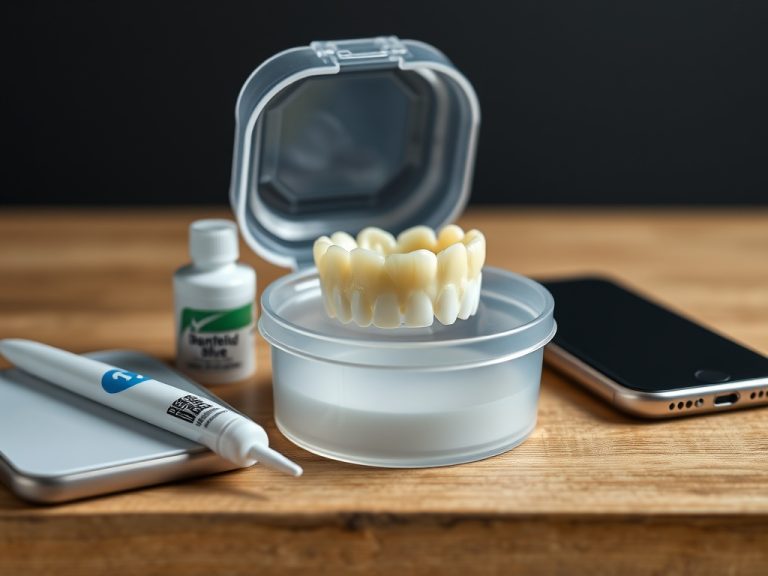
Sometimes the most immediate issue is a broken restoration or tooth pain. In those moments, temporary strategies like protecting a lost crown or filling before the visit can reduce damage while the logistics are being solved.
Where communication style makes a real difference
Offices vary widely. Some do well when they are told exactly what works. Others do not know what to ask. Bringing a concise list of needs can help: preferred communication style, transfer considerations, noise sensitivity, whether touch should be explained before it happens, and what signs mean the patient needs a break. The checklist logic in asking an office specific pre-visit questions applies just as much to adult disability access as it does to first pediatric visits.
When the right answer is referral, not persistence with the wrong setting
Not every office can safely handle every patient's needs, and that is okay if they are honest about it early. A referral to a hospital-based clinic, special-care dentist, or another provider with better equipment and support may be the most respectful option. The problem is not referral itself. The problem is leaving the patient to discover the mismatch after a stressful failed visit.
Build an access profile before choosing an office
Write down the practical conditions that determine whether a visit can succeed: transport timing, parking, doorway width, transfer needs, communication preferences, sensory triggers, and the role of a support person. Share this profile before booking so the office can respond to each requirement. A general statement that a clinic is accessible may not answer the questions that matter to one individual. Specific information allows the patient and staff to identify barriers before time, money, and energy are spent on an unsuitable appointment.
Request concrete accommodations instead of reassurance
Ask which treatment room can fit a mobility device, whether extra time can be reserved, and how the team handles breaks or changes in position. Patients who use alternative communication may need written choices, visual supports, or advance explanations before touch. A quieter first appointment can help someone who is sensitive to noise or rapid transitions. The office does not need to promise perfection, but it should describe the exact steps it can take and identify anything it cannot safely provide.
Plan separately for urgent dental problems
Access arrangements that work for routine care may fail when pain or swelling appears suddenly. Ask in advance how urgent concerns are triaged, whether a caregiver can speak with the clinical team, and what transport backup is available. Keep an updated medication list and a short summary of medical or behavioural needs ready to share. A prepared emergency pathway reduces the chance that the patient will be sent between offices while a broken tooth, lost restoration, or infection continues to worsen.
When another care setting is the better match
Some patients need equipment, sedation resources, medical support, or transfer assistance that a standard dental practice cannot supply. In that situation, a special-care clinic or hospital-based service may offer a safer route. The original office should explain the reason for referral and help transfer records rather than leaving the family to restart the search alone. Choosing a better-equipped setting is not a failure of persistence; it is a practical decision about safety, dignity, and the likelihood of completing treatment successfully.
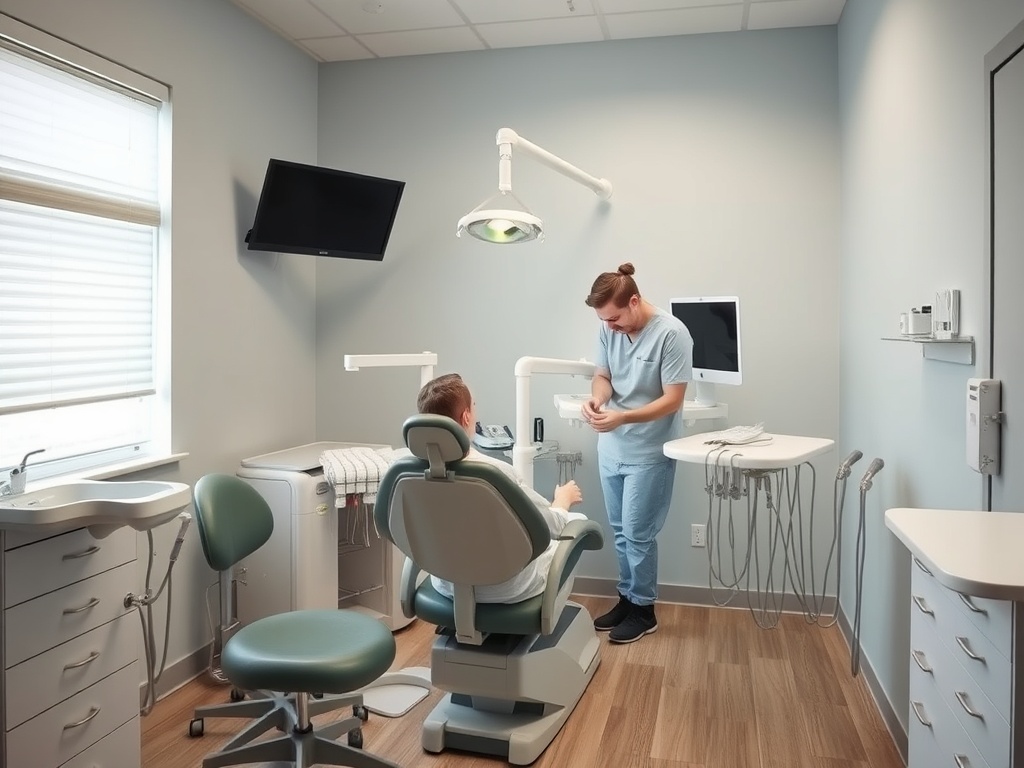
Create a calm dental treatment-room scene adapted for communication and sensory needs. Show an adult patient, a caregiver, and a dental team using visual supports, reduced lighting, and extra space around mobility equipment. Use realistic editorial photography, landscape orientation, no readable text, and no logos.