Fluoride Treatments for Kids: Who Needs Them Most?
Children who benefit most from professional fluoride are those with higher cavity risk, including kids with previous decay, weak enamel, dry mouth, braces, frequent sugary snacks or drinks, limited fluoride exposure, or special health needs that make brushing and diet harder to manage.
TL;DR: Fluoride is not only for kids who already have cavities. It is most useful for children whose teeth need extra help resisting acid attacks. The right question is not simply whether fluoride is good or bad. It is whether your child has risk factors that make extra protection worthwhile between regular checkups.
Why fluoride gets recommended more strongly for some children
Fluoride helps strengthen enamel and can reduce the chance that early mineral loss turns into a true cavity. The AAPD fluoride therapy recommendation supports fluoride use as part of cavity prevention because risk is not the same for every child. Some children sail through with low decay risk. Others have several reasons that make the teeth more vulnerable.
That difference is why a dentist may be relaxed about routine fluoride for one child and much more proactive for another. It is not arbitrary. It is risk-based prevention.
Which children tend to need it most
| Higher-risk pattern | Why the dentist pays attention |
|---|---|
| Previous cavities or white-spot lesions | Past decay is one of the strongest clues that more decay can follow. |
| Braces or other appliances | Brackets and wires make plaque control harder, which is one reason [[internal:Teen Braces vs Teen Aligners: How Parents Can Compare the Options |
| Frequent snacking, juice, sports drinks, or bedtime bottles | Repeated acid exposure gives enamel less time to recover. |
| Dry mouth or special health needs | Less saliva and more care barriers can increase cavity risk. |
| Limited fluoride exposure in daily life | Children who do not get fluoride from water or toothpaste use may need extra support. |
What a professional fluoride treatment is actually like
For many children, the in-office version is quick. Varnish is painted onto the teeth and sets fast. It is not the same as relying on toothpaste alone because the product stays in contact with the enamel in a more concentrated, supervised way. The HealthyChildren guidance on dental visits and MouthHealthy's first-visit page both reinforce the value of early preventive care, which is where fluoride decisions often begin.
Parents sometimes expect fluoride to be recommended only after something has already gone wrong. In reality, it is often used to keep early risk from becoming visible damage.
What fluoride does not replace
Fluoride helps, but it does not override frequent sugar exposure, poor brushing, or missed visits. It is one layer of protection. If a child has crowding, braces, sensory challenges, or a home-care battle every night, the office may recommend fluoride more often because the everyday cavity pressure is higher than usual. That is also why the pre-visit checklist in questions to ask a pediatric dental office matters. The office should be able to explain how often they recommend fluoride and why.
When this is routine prevention and when the situation is no longer routine
Fluoride is preventive, not emergency care. A routine appointment is the right place to discuss it. But if a child already has tooth pain, swelling, sensitivity to biting, or a broken restoration, that is a different problem. In that situation, fluoride is not the fix, and guidance more like what to do with a damaged restoration may be more relevant while you arrange care.
Questions parents can ask without overcomplicating it
Ask whether your child's cavity risk is low, medium, or high, what factors are driving that rating, how often fluoride is being suggested, and what home habits would matter most if you wanted to lower the risk over time. A good answer should mention your child's actual situation, not a generic sales script.
How a dentist estimates a child’s cavity risk
The recommendation usually reflects several clues rather than one isolated habit. Previous cavities, chalky white spots, crowded teeth, braces, dry mouth, frequent snacks, and limited fluoride exposure can all raise concern. The dentist may also consider how consistently an adult can supervise brushing and whether medical or developmental needs make home care harder. Ask which factors apply to your child and which ones can realistically be changed. A risk explanation should sound specific enough that you can recognise the reason for the advice.
Choosing a fluoride schedule that fits the child
Professional fluoride is not given on the same timetable to every patient. A child with no decay history and reliable brushing may need a different interval from a child who has new lesions, orthodontic appliances, or repeated acid exposure from drinks. The office should explain why it is suggesting treatment now and when the need will be reviewed again. That conversation prevents fluoride from feeling like an automatic add-on and turns it into one part of a broader prevention plan.
Home habits that make the varnish more useful
Daily care still does most of the long-term work. Use the amount of fluoride toothpaste recommended for the child’s age, supervise brushing until technique is dependable, and keep sugary drinks from becoming a constant sip throughout the day. Water between meals gives the mouth more time to recover from acid attacks. For children with braces or sensory challenges, ask for tools and routines that match their abilities instead of relying on general advice that is difficult to follow.
When the prevention plan should be reviewed
Cavity risk can change as teeth erupt, braces are placed or removed, medications affect saliva, or family routines improve. A child who remains decay-free for a sustained period may not need the same level of support forever. On the other hand, a new white spot or missed brushing around brackets may justify closer prevention. Request a simple review point so you know what evidence would lead the dentist to continue, reduce, or increase professional fluoride treatment.
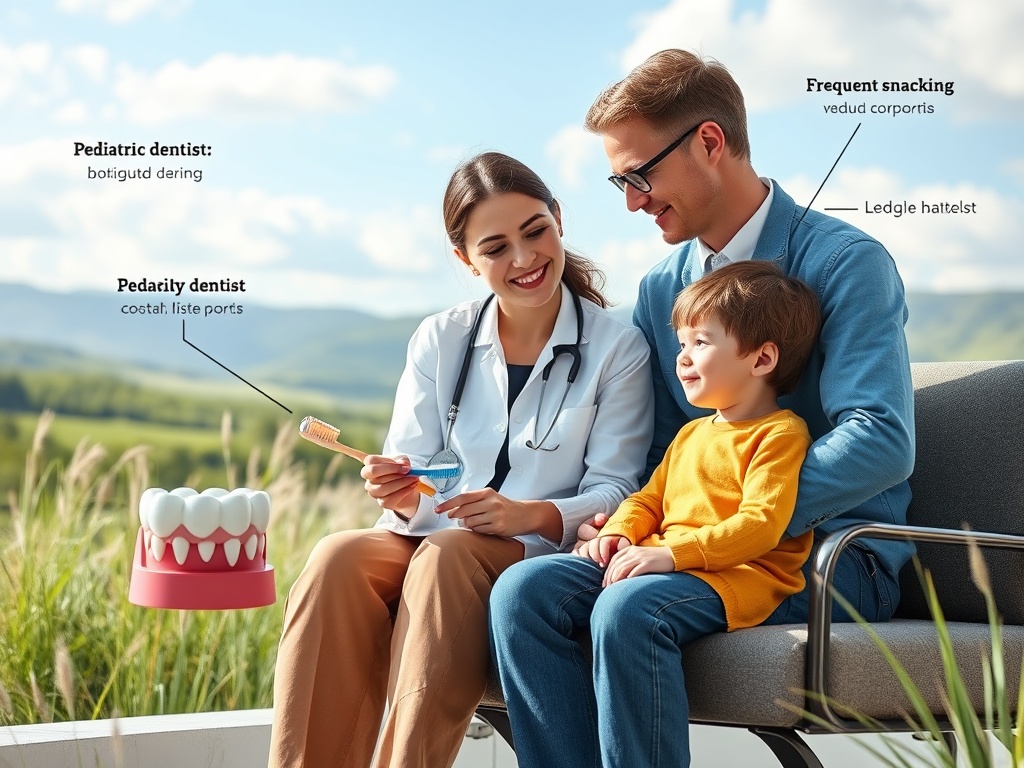
Create an educational consultation scene in which a pediatric dentist explains cavity-risk factors to a parent while the child sits comfortably beside them. Include a toothbrush, a tooth model, and subtle references to braces or frequent snacking without adding written labels. Use realistic lighting, a landscape composition, and no logos.