Lost Filling or Crown: Temporary Fixes That Are Actually Worth Doing
A lost filling or crown is rarely something to ignore, but it is not always a middle-of-the-night emergency. The temporary steps that are actually worth doing are simple: protect the tooth, keep the area clean, save the crown if it came off intact, avoid chewing there, and call the dental office for guidance and timing.
TL;DR: Good temporary care buys time. It does not permanently solve the problem. If the crown still fits, temporary dental cement from a pharmacy may help hold it in place briefly after the area is cleaned. If a filling is missing, the goal is mainly to keep the tooth clean, reduce sensitivity, and stop the situation from getting worse before the visit.
First figure out what actually came off
A lost crown and a lost filling are related problems, but the home steps are not identical. The NHS 111 Wales guidance on a lost filling or crown recommends contacting a dentist and, if a crown has come off, keeping it safe to bring with you. That is helpful because an intact crown can sometimes be cleaned and recemented.
If what came off is small and metallic or tooth-colored and the tooth still feels mostly intact, it may be a filling. If a whole cap-shaped piece came off, it is more likely a crown. Either way, exposed tooth structure can become sensitive quickly.
Temporary fixes that are usually worth it
| Situation | What can help at home | What to avoid |
|---|---|---|
| Crown came off intact | Rinse it, keep it safe, and ask whether temporary dental cement is appropriate | Superglue, household adhesives, or forcing it into place if it does not seat naturally |
| Filling is missing | Keep the site clean, avoid chewing there, and consider an OTC temporary filling material if the office advises it | Packing random materials into the tooth or ignoring sharp edges |
| Sharp edge or exposed area | Orthodontic wax or sugar-free gum may help cover a rough edge very briefly if your dentist advises it | Biting hard foods on that side or leaving food trapped around the area |
When it moves from temporary problem to urgent problem
The NHS page on chipped, broken, or cracked teeth is a good reminder that significant pain, swelling, or a sharp break changes the urgency. Call sooner if you have throbbing pain, swelling, fever, a bad taste, or a tooth that feels loose or cracked deeper than a surface chip. If the tooth was already painful before the restoration came off, a specialist conversation like when an endodontist gets involved may end up being part of the plan.

How to keep the tooth calm until the appointment
Avoid very hot, very cold, sticky, or hard foods on that side. Brush gently. Floss carefully, especially around a tooth that has lost a crown, because you do not want to tug on a temporary material. Over-the-counter pain relief may help if you can use it safely, but it is not the treatment. The main point is to prevent extra damage while you wait.
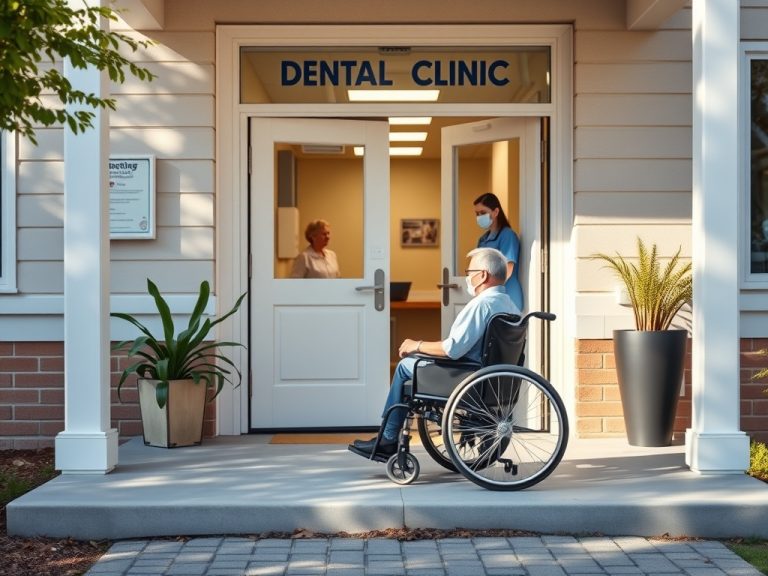
If getting to the office is difficult because of transportation or mobility barriers, planning ahead matters. That is where ideas from practical access workarounds can be useful, especially when a same-week visit is needed.
What not to do
Do not use household glue. Do not leave a crown loose in your pocket where it can be lost or damaged. Do not chew on the exposed side "just carefully" and assume it will be fine. And do not wait too long if the tooth is sensitive or the bite feels wrong, because small exposure problems can become larger fractures or nerve problems.
Decide whether the tooth is protected enough to wait
A painless lost filling may be suitable for a prompt routine appointment, but throbbing pain, facial swelling, fever, or a tooth that feels split changes the urgency. Look for sharp edges, exposed inner tooth structure, and a bite that suddenly feels uneven. Call the office and describe those details rather than asking only for the next available slot. Accurate triage helps the team decide whether you need same-day care, a short-term protective measure, or a standard repair visit.
Use temporary material without creating another problem
Pharmacy products are intended to cover or stabilise an area briefly, not rebuild the tooth. Clean the site gently and follow the package directions or the dentist’s advice. A crown should never be forced into position if it does not seat naturally, and household adhesive does not belong in the mouth. Remove obvious excess material that interferes with the bite. The goal is simply to reduce exposure until professional care is available, not to make the temporary repair look permanent.
Prepare information that will speed up the appointment
Bring the crown or broken piece in a clean container if you still have it. Note when it came loose, what you were eating, and whether the tooth had sensitivity beforehand. Tell the dentist if the tooth has had a root canal, a large filling, or repeated repairs because that history may affect the treatment choice. A clear account of what happened can help the clinician decide quickly whether recementing, rebuilding, or replacing the restoration is realistic.
What the permanent repair may involve
An intact crown may sometimes be recemented, while a damaged or poorly fitting one may need replacement. A lost filling can require a new filling, a stronger build-up, or a crown if much of the tooth has fractured. Deeper decay or nerve symptoms may lead to additional treatment before the final restoration is placed. Ask what caused the failure and how the new repair will address it. Understanding the reason reduces the chance of treating the event as an isolated accident when a larger structural issue is present.
Create a realistic home-care scene showing an adult protecting a sensitive tooth after a restoration has come loose. The person should rinse gently, avoid chewing on the affected side, and contact a dental office by phone. Use natural lighting, a horizontal editorial layout, no text, and no logos.